At a glance:
- The hidden addiction: Unlike alcohol or drugs, gambling has few physical signs, allowing it to go undetected until it reaches a crisis point.
- The economic drain: Productivity losses from gambling-related harm—including absenteeism and job loss—cost the Victorian economy alone an estimated $1.5 billion annually.
- A significant safety risk: Financial desperation is a leading driver of employee fraud, while the mental load of debt and secrecy drastically increases the risk of workplace errors.
- The path to prevention: Shifting from a moral view to a health-based perspective allows leaders to normalise help-seeking and provide 24/7 confidential clinical support.
Problem gambling may not seem like an obvious wellbeing issue for our workplaces. But with Australia taking out the top spot for gambling losses per capita, it’s time we speak openly about its effects, because they reach far beyond personal lives.
When employee wellbeing is mentioned, your mind might go to familiar, widely discussed challenges like stress, burnout, mental health, and psychosocial hazards. It’s easy to picture gambling harm as something that happens elsewhere, to people on the margins, or those disconnected from the world of work. Yet research tells a different story. Many people experiencing gambling-related harm are in full-time employment. They sit beside us in meetings, manage teams, or lead projects, often carrying the private weight of financial strain, shame, or distraction. This is complicated by the blurring of work/life boundaries; employees are more connected to the wider world than ever, making it surprisingly easy to gamble even while on the job.
For HR and business leaders committed to building psychologically safe and high-performing workplaces, this presents a critical blind spot. Because while gambling harm may begin as a personal struggle, its consequences don’t stop at the individual. Problem gambling can result in significant risk to a business.
In this article, we’ll explore signs an employee might be struggling with gambling addiction, the business impact, and how to navigate this growing problem in Australia.
Disclaimer: This blog post discusses the serious health and social consequences of gambling harm. It is intended for informational and educational purposes related to occupational health and safety. The content does not promote gambling activities.
If you require support or information regarding problem gambling, please contact the 24-hour, confidential National Gambling Helpline on 1800 858 858. Support is available Australia-wide.
If you’re a Sonder customer or member, please reach out through the Sonder mobile app for assistance.
How problem gambling affects Australian workplaces
While workplace-specific data is limited, national research shows that gambling harm reaches deeply into the working population.
So, what’s going on under the surface?
Risky gambling is on the rise
According to the Australian National University’s Centre for Gambling Research, overall gambling participation has slightly declined, yet the share of adults engaging in “risky gambling” continues to rise. The 2025 Australian Gambling Trends report found that around 19.4% of adults gambled at risky levels in the past year.
Gambling can occur during work hours
Online gambling — which carries higher risks due to its accessibility and frequency — is most common among full-time employed adults, especially younger men and those in higher income brackets (ANU, 2025). Similarly, analysis from the Australian Institute of Family Studies suggests that around 70% of gamblers are in full-time work.
Gambling is a very real, and significant drain on the economy
The financial and productivity costs make this a workplace concern, not a private one. The Productivity Commission once estimated the social cost of problem gambling at $4.7 billion per year, while The Social Cost of Gambling to Victoria (2022/23) placed the state’s losses at $14.1 billion, including $1.5 billion from reduced productivity, absenteeism, and job loss.
Behind these figures are real employees — people whose focus, wellbeing, and performance are quietly eroded by compulsion.
Debunking common myths of problem gambling
Just like many other addictions, problem gambling is complex, carrying significant risk to the individual and the people around them. Many leaders overlook gambling red flags because the reality of the addiction doesn’t match their mental image of a “problem gambler”. With this in mind, let’s address some common myths of problem gambling together.
Myth 1: It’s a personal issue, not a workplace one
Research highlights that problem gamblers often showcase “presenteeism”, being physically present at work but mentally distracted, resulting in significant productivity losses. Beyond this, a desperate employee can pose a serious security risk. Gambling debt and addiction is one of the leading causes of employee fraud and embezzlement, underscoring the broader implications of this hidden addiction in the workplace.
Myth 2: I would know if one of my people had a gambling problem
Gambling is often referred to as the “hidden addiction.” Unlike drugs or alcohol, it doesn’t present with physical signs like slurred speech, dilated pupils, or a noticeable scent. Someone could lose $5,000 on their phone while visiting a bathroom stall and return to their desk appearing completely unaffected. This makes it incredibly difficult to detect and address, even in close-knit environments.
Myth 3: I don’t need to worry about my high performers
Intelligence and income don’t shield individuals from gambling addiction. In fact, high-performers and executives are often at greater risk. With access to more credit, elevated stress levels, and a belief that they can “outsmart” the system, they can find themselves more vulnerable to the hidden dangers of gambling.
Myth 4: They’re just having fun, they can stop when they want to
Addiction fundamentally alters brain chemistry, particularly in the prefrontal cortex, which governs decision-making. For problem gamblers, the desire to stop is often there, but the neurological ability to resist the impulse has been compromised. This is a health condition, not a moral failing. For most problem gamblers, the driving force isn’t about the money but more about chasing emotional regulation. Gambling becomes a way to escape stress, anxiety, or workplace burnout. Winning money simply fuels the cycle, keeping the “escape” mechanism alive.
What are the signs of gambling addiction?
Amongst the minutia of everyday work, it can be hard to spot the underlying signs of gambling addiction in someone you manage. But for compassionate leaders and HR professionals, being alert to subtle changes can make a difference.
While the below warning signs aren’t unique to gambling issues, in the context of other signs, they warrant a thoughtful conversation.
Workplace warnings to keep an eye out for:
| Warning signs | Context |
| Frequent financial stress or requests for advances | A team member repeatedly asking for pay advances or borrowing money from peers, may not just be careless budgeting — they may be struggling with gambling-related debt. |
| Unexplained absences or extended breaks | For some, they may be juggling a financial fallout. Ask open-ended questions: “How are you going with everything?” rather than assuming the cause. |
| Decreased concentration and performance | When someone’s mind is consumed by debt, losses, or hoping for a win, showing up as their best professional self becomes harder. |
| Mood changes and increased irritability | Becoming more easily frustrated, snapping at colleagues, or withdrawing socially can be signs of strain. Gambling doesn’t just take money — it takes emotional bandwidth. |
| Secretive behaviour around phone or device use | Online gambling thrives on accessibility and privacy. Someone who takes private calls, disappears to make “personal enquiries”, hides browser activity, or avoids what used to be open interaction may be masking something. |
What are the hidden costs of problem gambling for businesses?
The implications of gambling-related harm extend far beyond the individual. For organisations serious about wellbeing, culture, performance, and ultimately commercial outcomes, these costs are material.
The hidden business costs:
- Increased absenteeism and presenteeism: When someone is distracted, stressed, or financially compromised, they may still show up (presenteeism) but with reduced capacity. The combined impact of less input and more mistakes is difficult to quantify — but very real.
- Higher staff turnover and recruitment costs: Addictions and financial crises don’t discriminate. A high-performing employee may suddenly step away — or be let go — because the underlying issue went unaddressed. Replacing them means lost time, training costs, and cultural disruption.
- Workplace theft and fraud risks: Organisations must never demonise individuals, but the reality is that severe financial stress can be a driver of misconduct, theft or fraud. Once an employee is under pressure from debts, family obligations, and shame, their risk profile rises — which is why early intervention matters greatly.
- Impact on team morale and trust: One individual’s silent struggle can ripple into the team. When colleagues cover for someone, pick up the slack, or observe inconsistent behaviour without context, it can breed mistrust, burnout, and fractures in human operations.
- Potential legal and reputational issues: Unchecked gambling-related behaviours (fraud, misconduct, regulatory breach) may lead to regulatory investigation, fines, or reputational damage. And when the public or partners sense that a workplace doesn’t take wellbeing seriously, trust erodes externally too.

The impact of gambling on other employees and team culture
The effects of gambling rarely stay contained to one individual. When someone’s struggling with gambling compulsion, the effects can spread quietly through teams.
People and culture impacts can include:
Increased workload for team members
When someone begins to struggle, their tasks don’t disappear — they’re absorbed by someone else, and often repeatedly. Over time, this redirection of workload and responsibilities can lead to burnout, disengagement, and moral injury in the team.
Stress and concern among colleagues
Witnessing a peer’s unexplained behaviour, mood swings, or financial crisis triggers anxiety: “Should I say something?”, “Will someone find out?”, “What if I’m covering for incompetence?” The emotional cost adds up.
Breakdown in team relationships
Once trust falters, because someone is underperforming, hiding things, or constantly absent, the sense of psychological safety erodes. Teams become guarded, reluctant to speak up, and risk-averse. That’s not what you want in a high-performance workplace.
Impact on workplace psychological safety
Psychological safety (the belief that people can show up as themselves, raise issues, ask for help) is undermined when secretive behaviour or unaddressed harm lurks. Without safety, innovation freezes, engagement drops, and turnover rises.
Building a workplace support program that can help address problem gambling
Here are a few ways to build that safety into the fabric of your workplace:
As senior leaders and HR professionals, the tone you set — and the systems you build — shape how safe people feel to seek help. Gambling harm often hides in plain sight, so proactive support matters.
| Steps forward | Context for greater understanding |
Building awareness without stigma | Shame is one of the biggest barriers to people recognising they have a problem and asking for help. Research shows that many affected by gambling harm feel intense secrecy and isolation. For example, one study found that more than 1 in 20 Australian adults reported being harmed by someone else’s gambling in the past year. |
Manager training for problem gambling to recognise signs and respond | Preventative measures are more cost-effective than dealing with a full-blown crisis. A well-trained manager doesn’t need to diagnose addiction, but they can spot changes, ask compassionate questions, and know how to refer or escalate. |
Confidential reporting and support pathways | Having clearly communicated, confidential avenues for staff to seek help or for concerned managers to refer someone is crucial. Trust builds when people know their disclosure won’t automatically lead to punitive action. Make it part of your wellbeing framework: “If you’re worried about yourself or a colleague, talk to…” |
Clear policies that support recovery, not punishment | Your policy should emphasise care, not blame. Embedding gambling support into your wellbeing policy sends a strong signal: we care about your whole life, because your whole life shows up at work. Encourage flexible leave, check-in conversations, and recovery plans. |
The importance of accessible, professional support
Creating a culture where employees can access help early is critical — and it starts with removing barriers to professional support.
- Gambling problems escalate quickly without intervention — Without timely support, gambling harm can intensify rapidly. Online platforms, with their constant accessibility, increase both frequency and risk, making professional intervention essential before problems spiral.
- The shame and secrecy that prevent help-seeking — Many employees wait until issues feel unmanageable before seeking help. Professional support is vital because gambling harm is closely linked to psychological distress, loneliness, and co-occurring challenges — issues that peers alone are often ill-equipped to address.
- Why peer support isn’t enough for addiction issues — Colleague empathy matters, but addiction requires specialist care. Relying on peers places an undue burden on them and leaves employees without the targeted help they need. Professional support ensures those struggling receive safe, effective guidance.
- The value of 24/7 professional counselling — Addiction doesn’t follow office hours. Crises often occur after work, on weekends, or in private moments. Access to round-the-clock professional support helps employees get help when they need it most, overcoming barriers like long wait times, stigma around taking leave, and limited regional services.
How to integrate problem gambling support in your wellbeing program
If you want to build a resilient, healthy workforce, it’s time to treat problem gambling as a real part of the wellbeing conversation — not something to push to the sidelines. Here’s how you can make a difference:
- Put it in your policies: Show your team you take their wellbeing seriously by including problem gambling in your workplace policies.
- Train your managers: Help managers spot the signs and handle conversations with care and confidence.
- Create clear support pathways: Make sure employees know where to turn, whether it’s counselling, an EAP, or other resources.
- Be upfront about support: Don’t make people guess. Clearly communicate what’s available and how to access it.
- Invest in prevention: Education and awareness go a long way in addressing issues before they escalate.
Building a culture of trust and support for hidden addictions
At Sonder, we believe in elevating wellbeing beyond the conventional. When it comes to gambling harm, we offer a framework that meets the issue head-on with dignity, confidentiality and expertise:
- Confidential access to addiction specialists: We connect your people to professionals who specialise in gambling harm, recovery and resilience, not just generic EAP counsellors.
- Immediate support during crisis moments: Whether it’s a late-night panic, a phone call triggered by desperation or a team member stepping aside unexpectedly, there’s immediate access for the whole team.
- Resources for family members affected by gambling: We know that gambling harm rarely happens in isolation. Many affected are partners, children or colleagues of the person affected — holistic support is essential.
- Financial counselling and practical support: Practical assistance like budget coaching, debt navigation, and follow-up check-ins is part of the holistic approach.
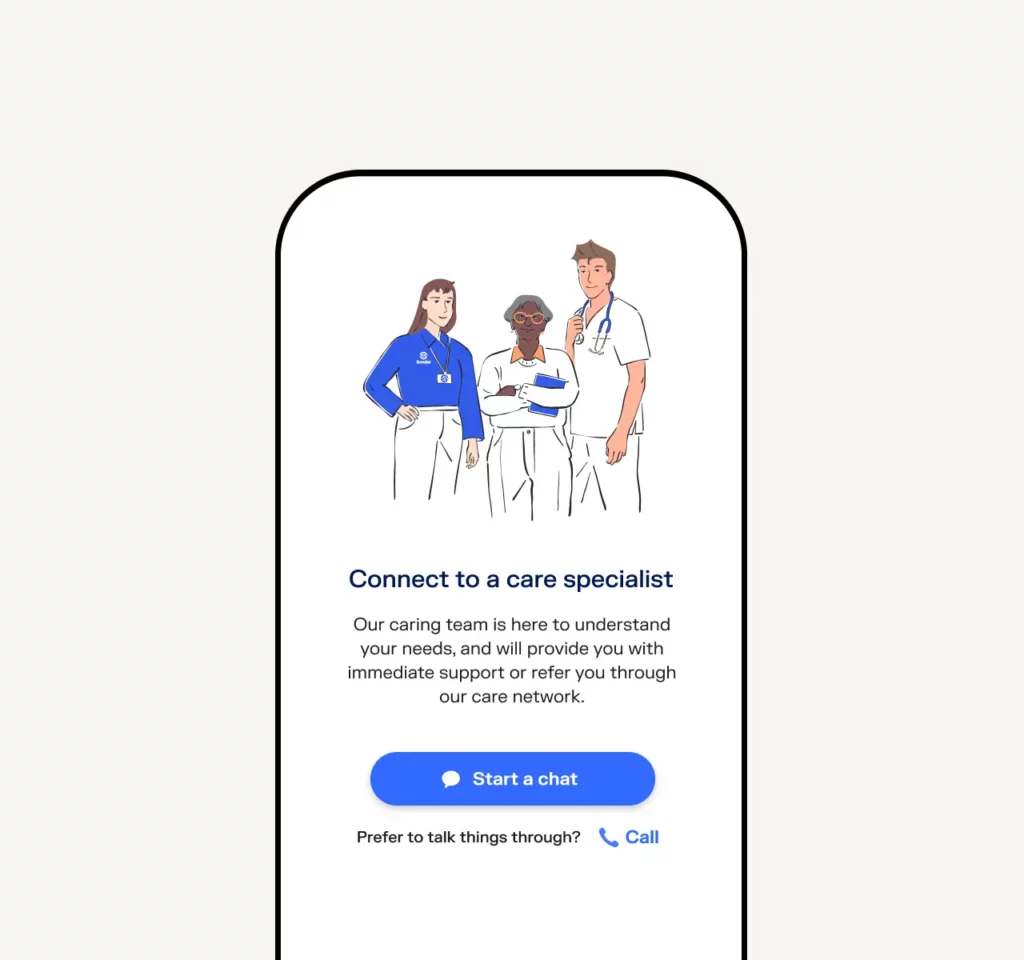
Because gambling harm is often hidden by shame, Sonder’s digital-first chat function is a critical lifeline. It provides a discreet way for employees to seek professional financial and mental health support before the issue impacts their workplace safety or integrity.