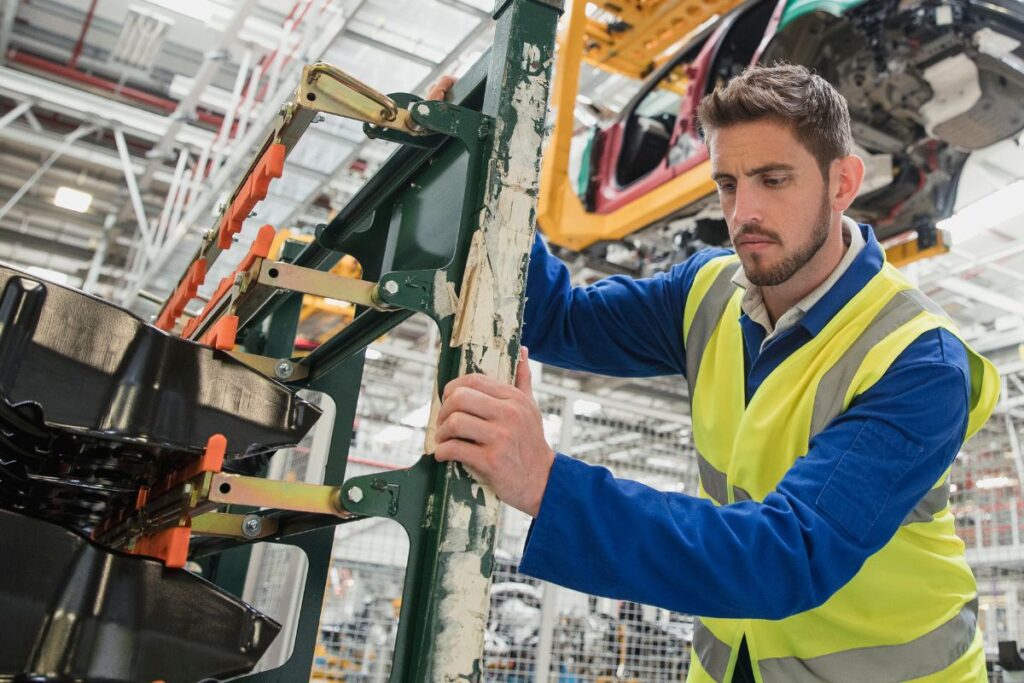
Depending on the type of business you’re leading, it’s likely many of your people are working in ways that would have seemed unusual not long ago. Some are at home, others in regional or field locations, and some spend long stretches working alone in traditionally isolating roles.
While these arrangements bring flexibility and benefits, they also introduce a challenge that can easily go under the radar — the psychosocial hazard of isolation or remote work.
When people work on their own, whether at home, out in the field, or in a quiet office after hours, it can come with risks to their safety and wellbeing. Even high-performing team members can start to feel disconnected and unsupported in isolated environments.
As a leader, you’re likely already juggling the question of how to keep everyone supported and engaged, even when you’re unable to be there in person to see what’s happening.
In this article, we will unpack what isolated or remote work means as a psychosocial hazard, explore the factors that contribute to it, highlight the impacts on both people and the organisation, and share practical ways to reduce the risk while keeping your teams safe, supported, and feeling connected.
TThis is part of a series on understanding psychosocial hazards. Other features in the series include:
- Understanding the risk and impact of poor role clarity
- Understanding the risk and impact of imbalanced job demands
- Harmful behaviour in the workplace and how to navigate it
- Navigating traumatic events or material in the workplace
- The risk and impact of isolated or remote work
- How to overcome poor organisational change management
- Organisational justice explained
- The risks and impacts of a poor physical work environment
Disclaimer: The information contained in this article and on this website is general information only and does not constitute legal advice. Although all efforts have been made to ensure the accuracy and currency of the information presented, Sonder takes no responsibility for any errors or omissions presented. Please contact a legal representative for individual advice.
What is isolated or remote work?
Isolated or remote work refers to any situation where a worker performs their duties away from direct contact with colleagues or supervisors, with limited or delayed access to support.
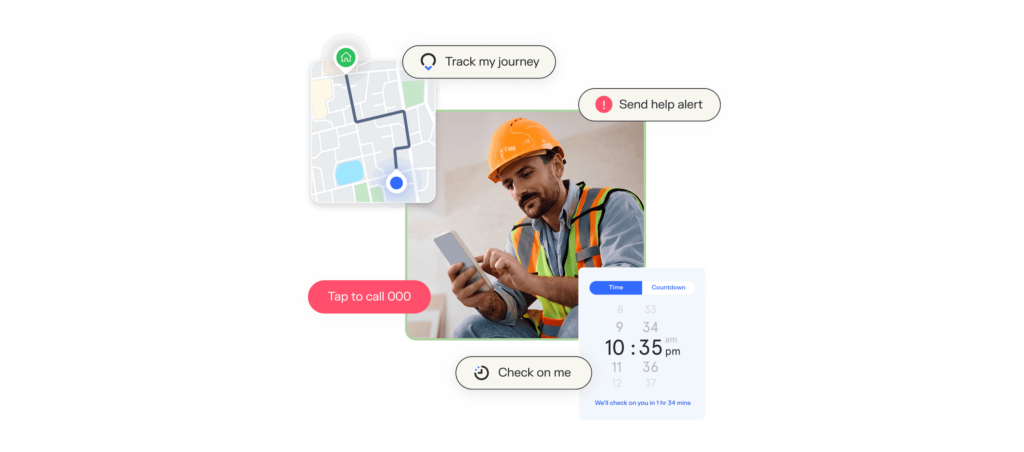
While some roles are obvious — like rural on-site workers or employees working from home — the risk extends beyond these. Overlooked roles include staff cleaning offices after hours, security personnel on night shifts, or maintenance workers operating alone. These employees face the same challenges of limited support and delayed help, making them equally vulnerable to the risks of isolation.
Isolated or remote workers can include:
- People who frequently work alone
- Staff on night shifts
- Employees working from home without regular contact
- Workers travelling between sites or operating in the field
- Regional or rural employees
- Staff working where immediate aid may not be available
Isolation can be a mix of factors, from physical to social. And it’s important to remember that even workers who enjoy remote work can feel disconnected or unsupported if the environment and access to help aren’t there when they need it.
Identify the factors, the impact on your workers, assign a level of risk so that you can prioritise your resources, implement controls to reduce the risk and evaluate to see if that works. Plus, make sure that this is a continuous process

Director and Registered Psychologist at the Opus Centre for Psychosocial Risk
What contributes to this psychosocial hazard?
Just as with other psychosocial hazards, isolated or remote worker hazards are rarely the result of a single factor. It’s often a combination of environmental conditions, structural gaps, and organisational processes.
One of the biggest challenges for supervisors and HR leaders is spotting or mitigating these lone worker safety risks while juggling competing priorities. After all, the risks aren’t always immediately visible or front of mind.
Several factors can contribute to the hazard:
| RISK FACTOR | CONTEXT TO CONSIDER |
| Physical separation from colleagues and supervisors | Working in dispersed teams reduces day-to-day interaction, informal check-ins, and the ability to ask quick questions or seek guidance in the moment. |
| Limited access to help in emergencies | When incidents, injuries, or escalations occur, remote workers may not have immediate assistance — increasing both physical and psychological risks. |
| Communication challenges | Technology failures, different time zones, unclear contact points, or inconsistent communication routines can all heighten the sense of disconnection. |
| Reduced visibility of workload and wellbeing | Leaders may find it harder to identify early signs of burnout, stress, conflict, or declining morale when workers are not physically present. |
| Insufficient or irregular supervision | Without consistent oversight, workers can feel unsure, unsupported, or uncertain about decisions, leading to stress or avoidable errors. |
| Poorly designed remote processes or tools | Gaps in systems, resources, or equipment can create frustration, inefficiency, or unsafe work practices. |
| Isolation during critical events | Workers may face difficult customer interactions, technical issues, or high-pressure tasks alone, which can compound risks. |
| Blurred boundaries between work and personal life | Particularly for home-based workers, isolation can make it harder to switch off, contributing to fatigue or burnout. |
What are the hidden costs of isolated or remote work?
When isolation isn’t managed effectively, it can quietly take a toll on both employees and the organisation. The effects often build over time, manifesting as stress, disengagement, and reduced wellbeing long before they become visible.
Learning how to manage remote work risks begins with understanding the potential impacts:
- Higher exposure to safety risks: Workers may face hazards without immediate support, leading to increased risk of harm during incidents, emergencies, or confrontations.
- Psychological strain and loneliness: Prolonged isolation can contribute to anxiety, stress, and decreased motivation. A reduced sense of belonging also affects engagement.
- Communication breakdowns: Misunderstandings or delays in information can lead to operational errors, duplicated work, inconsistent delivery, or even unnecessary confrontation.
- Reduced collaboration and innovation: Teams have fewer opportunities for spontaneous conversations, problem-solving, or shared learning.
- Decreased job satisfaction and performance: Without connection or support, workers may feel undervalued or unsure about their contribution, which can reduce productivity and confidence.
- Increased turnover: Workers experiencing ongoing isolation are more likely to disengage and seek alternative roles.
- WHS and compliance risks: If organisations fail to identify and mitigate isolated work hazards, they may fall short of their duty of care obligations.
How leaders can reduce the risks that come with isolated or remote work
Managing this hazard and supporting isolated employees takes thoughtful planning and attention. By intentionally designing work systems, points of communication, and support mechanisms, leaders can help ensure that isolated or remote workers feel safe and supported.
Not sure where to start? Integrate the below into your leadership strategies for remote teams:
| Strengthen communication systems | Establish regular check-ins, clear escalation pathways, and agreed communication channels that workers can rely on. |
| Improve supervision for remote teams | Schedule frequent touchpoints and conversational check-ins to maintain consistent oversight and support. |
| Enhance access to immediate support | Provide workers with tools and services that help them get assistance quickly, especially during emergencies or high-stress moments. |
| Design work to reduce isolation | Create collaboration rituals, peer-pairing systems, virtual team routines, and shared problem-solving opportunities. |
| Clarify expectations and safety protocols | Ensure workers have clarity on their role and responsibilities, understand their available resources, communication protocols, and how to access help. |
| Offer training and capability-building | Help workers develop skills for managing remote work, boundaries, self-management, and recognising signs of distress. |
| Monitor risk indicators and measure control strategies | Use surveys, incident data, engagement insights, supervisory feedback, and check-in tools to identify patterns early. |
I’ve been travelling interstate and have received notifications on weather warnings in my area. I also was updated on traffic incidents that had occurred back home, as my young teenagers now drive, which gives me comfort that Sonder informs me of traffic situations.

Access 24/7 holistic support to manage isolated workers
As a leader, keeping remote or isolated workers safe and supported can feel challenging, especially when you are balancing multiple priorities and the risks are not always visible. Sonder works with organisations to make this easier.
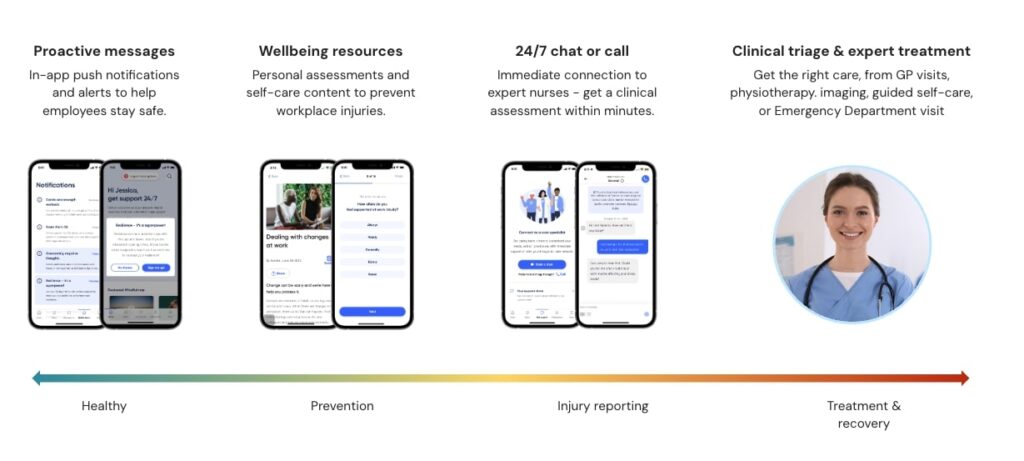
With real-time, 24/7 access to trained professionals, your people can get guidance, safety support, escalation pathways and wellbeing assistance whenever they need it. This reduces the stress and risk that comes from working alone or without immediate supervision.
It is about giving you the confidence that your people are looked after and that your organisation is meeting its duty of care, without adding more pressure to your role.
Our responders are highly trained in responding to a whole range of situations. For example, customer aggression and assaults on staff are becoming increasingly common. Our team of responders are able to deliver psychological first aid and be that listening ear to the person who has been the victim of an assault. Plus, they’re able to provide staff with tools and resources to get further assistance if they need it.
Response Network Manager
Sonder’s health and safety platform intervenes earlier to reduce risk. It instantly connects your mobile and lone workforce to health and safety support, wherever they are — Interested in knowing more? Arrange a call with Sonder now.