At a glance:
- A universal energy crisis: 94% of employees report lacking energy, and 73% have experienced physical symptoms that directly hindered their ability to work in the last year.
- The cost of exhaustion: Beyond personal wellbeing, fatigue is a major operational risk. Employees with less than six hours of sleep are 70% more likely to have a workplace accident.
- Frontline under pressure: Care and service professionals report the lowest energy levels, with healthcare roles alone seeing a sharp rise in lost workdays (1.2 million in 2025) as emotional and physical demands collide.
- Free resources for leaders: Download Sonder’s ‘2026 State of Employee Health and Wellbeing Report‘ to dive deeper into the data and ‘Five practical ways organisations can proactively address fatigue at work‘ to take action.
If you take a moment to pause, you’ve likely heard it in your workplace.
“I’m exhausted.”
“It’s been nonstop.”
“I just need to get through this month.”
Tiredness has become part of the professional script, often delivered as a throwaway line woven into the larger narratives of a workday.
For many employees, persistent fatigue isn’t an occasional spike. It builds quietly, shaped by both workplace demands and pressures outside of work. Energy doesn’t compartmentalise. When reserves are stretched, it shows up in focus, decision-making, and engagement.
As a leader, you likely feel this too. When sustained pressures — personal and professional — become the norm, energy is often the first thing to erode. And when it does, the effects ripple outward, influencing performance, safety, and the overall health of an organisation.

What the data tells us about workplace fatigue
Behind the everyday comments about tiredness sits a deeper, more complicated pattern.
Sonder’s 2026 State of Employee Health and Wellbeing Report offers an insight into the realities employees are facing today.
Across ANZ and the UK, the data reveals:
- 73% of employees experienced physical symptoms in the past 12 months that impacted their ability to work.
- 94% reported feeling fatigued or lacking energy.
- On average, 15% of workers feel fatigued daily.
Energy levels vary across work types, too. When it comes to ‘always feeling physically strong and energised’:
- Knowledge workers: 26%
- Skilled trades and labour professionals: 18%
- Care and service professionals: 15%
Even in the highest group, only around one quarter consistently feel energised.
This reminds us that fatigue is in no way confined to physically demanding roles. It is present in offices, on worksites, in hospitals, in classrooms, and across remote teams. It cuts across industries and seniority levels.
For leaders, this signals a systemic challenge rather than an isolated one.
The operational cost of fatigue in the workplace
Fatigue is often framed as a personal wellbeing issue. In reality, it has direct operational implications as well.
Research shows that employees who sleep fewer than six hours are 70% more likely to experience a workplace accident, with shift workers facing even higher injury rates.
Fatigue science
Fatigue Science highlights that fatigue slows reaction times, impairs memory, and increases the likelihood of errors. When overlooked, it can lead to near misses or serious incidents.
When people are running low on energy, we see measurable shifts:
- Slower reaction times
- Reduced concentration and memory
- Increased errors
- Lower engagement
- Compromised safety and compliance
For organisations with frontline teams, heavy machinery, clinical environments, or high compliance obligations, the stakes are deeply human as well as operational. Fatigue is not simply about comfort or a line item in your wellbeing strategy. It intersects with governance, risk management, and duty of care.
For knowledge-based teams, the risk can be less visible, yet just as meaningful. Cognitive fatigue affects judgment, creativity, and decision quality. It influences how leaders show up in moments that matter, and the clarity behind the strategic choices that shape an organisation’s future.
The weight carried by frontline and care workers
It’s no surprise that care and service professionals report the lowest levels of consistent energy.
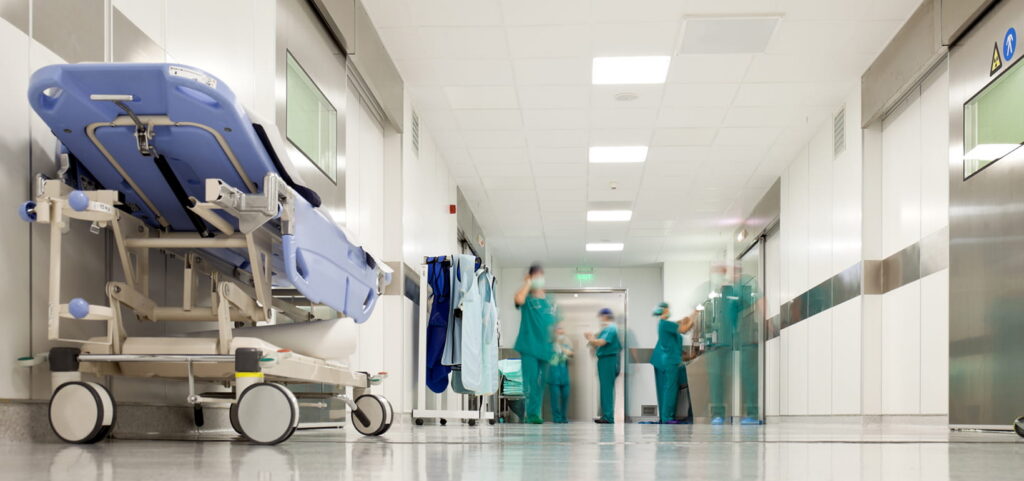
Nurses, care workers, and other frontline professionals often operate in emotionally intense environments while managing physical demands. Within these roles, many also work irregular hours that disrupt sleep cycles.
In Australia, this pressure is reflected in national data.
In 2025, healthcare and social assistance roles recorded over 18,000 workers’ compensation claims and 1.2 million lost workdays, a sharp increase from the previous year.
At the same time, Australians are working record-long hours, contributing to a productivity slowdown identified by the Productivity Commission. These figures represent real people who are committed to their communities, but whose energy banks are already stretched thin.
For leaders overseeing essential services, fatigue has a ripple effect. When the workforce is depleted, patient care, service quality, and community outcomes are also at risk. Safeguarding energy in these environments is both a moral and operational responsibility.
Fatigue is personal, even when it shows up professionally
One of the challenges in addressing fatigue is its complexity. There is no clear line in the sand that neatly separates the impact of someone’s personal life from their work or vice versa.
Energy doesn’t compartmentalise. When something is drawing down your reserves, you inevitably show up carrying it, whether you intend to or not.
Workload plays a role, but it is rarely the only factor. Employees may also be navigating:
- Caring responsibilities for children, parents, or others
- Long or unpredictable commutes, which may involve fear or risk
- Financial pressure, which is taking up headspace
- Chronic health conditions or musculoskeletal pain
- Mental health challenges
- Sleep disruption
Life stage matters too. Many of these factors remain invisible at work, yet they shape the energy someone brings into each day:
- Women’s health factors such as menstrual cycles, endometriosis, and menopause can contribute to fatigue, brain fog, sleep disruption, and significant discomfort.
- Men’s health factors may include increasing cardiovascular risks, musculoskeletal strain, and shifts in energy from midlife onward.
Most leaders can recall a period in their own lives marked by creeping exhaustion. A season where work and personal demands collided, and recovery felt out of reach. Extending that understanding to teams creates space for more compassionate and effective leadership.

From awareness to action: What sustainable support looks like
Recognising fatigue is the first step, responding meaningfully is the next.
Organisations that are building sustainable performance tend to approach energy as a shared responsibility. They look beyond surface-level initiatives and consider how systems, culture, and access to care work together to either protect or deplete people’s limited energy.
Practical approaches can include:
| Normalising early support | Encouraging employees to seek help before challenges escalate reduces the likelihood of crisis. When support is woven into everyday conversations and framed as a proactive strength, not a last resort, people feel safer reaching out earlier. |
| Equipping managers | Managers are often the first to notice subtle shifts in behaviour, mood, or performance. Giving them the confidence and guidance to have supportive conversations — and clarity on where to direct employees for help — makes early intervention more accessible and less daunting for everyone involved. |
| Supporting recovery and sleep | For shift workers and those in high-demand roles, thoughtful rostering and education around sleep hygiene can meaningfully reduce cumulative fatigue. Even small, consistent adjustments can restore energy over time and signal that recovery is valued, not overlooked. |
| Monitoring risk environments | In safety-critical settings, keeping a close eye on hours worked, cognitive load, and environmental pressures helps prevent fatigue-related incidents before they occur. Regular check-ins create space to identify when workloads need adjusting, long before burnout takes hold. |
| Providing human access to care | Digital tools and policy frameworks play an important role. Yet in moments of acute stress or deep exhaustion, timely access to a qualified professional can be transformative — offering not just information, but reassurance, perspective, and practical support. |
Free download: Five practical ways organisations can proactively address fatigue at work. Save this handy reference for future planning meetings, or share with the leaders in your organisation.
Take action: External support to reduce the load
At Sonder, we know fatigue is rarely a single-issue experience. It often sits alongside anxiety, physical strain, family responsibilities, financial pressure, or sustained workplace demands.
When energy runs low, navigating support systems alone can feel overwhelming.
Organisations may recognise the challenge, but finding the capacity to respond while teams are already stretched can feel impossible. Sustainable performance requires more than good intentions; it calls for:
- Normalising early support before challenges escalate
- Equipping leaders with practical guidance to have supportive conversations
- Protecting recovery time to reduce cumulative fatigue
- Creating safe pathways for employees to seek help proactively
Sonder provides an evidence-based, all-team approach designed for early intervention and rapid response:
- 24/7 access to real nurses, counsellors, and safety professionals
- Immediate support in moments of overwhelm
- Ongoing care coordination for complex situations
- Practical guidance for managers
- Proactive intervention to prevent escalation
This approach ensures employees and their leaders are not left to manage fatigue, distress, or health concerns alone — support is immediate, practical, and grounded in care, protecting both individual wellbeing and the long-term strength of the organisation.
Fatigue will always be part of human life. But when leaders acknowledge energy as a finite resource, they open the door to smarter workload design, earlier support, and safer operations.
“The fact that this app has tools in place and resources available to help navigate through difficult times is great, and then as well, talking to a real human is so comforting and helpful.
I was sceptical about using the app as recommended by my workplace, but last night I found I really did need to reach out as I had no one, and I am so grateful for the support I received. What a great service. I wish every workplace had this in place.”
Sonder member
To find out how Sonder could help safeguard the energy and wellbeing of your workforce, book a demo.