At a glance:
- Paperwork isn’t the same as progress: Surveys, training and policies matter, but they don’t reduce risk unless the work itself changes.
- Everyday HR processes carry real risk: Performance management and restructures can cause serious psychosocial harm, as shown by Defence’s $188,000 fine in December 2025 and SafeWork NSW’s pause on the UTS restructure.
- Regulators want specifics: Generic statements like ‘staff experience stress’ no longer cut it. Risk assessments need to name the hazard, who’s exposed and when, with controls that change the work.
- Quick wins are possible: Audit meeting load, ask frontline workers what isn’t working, and get early risk signals in front of your board.
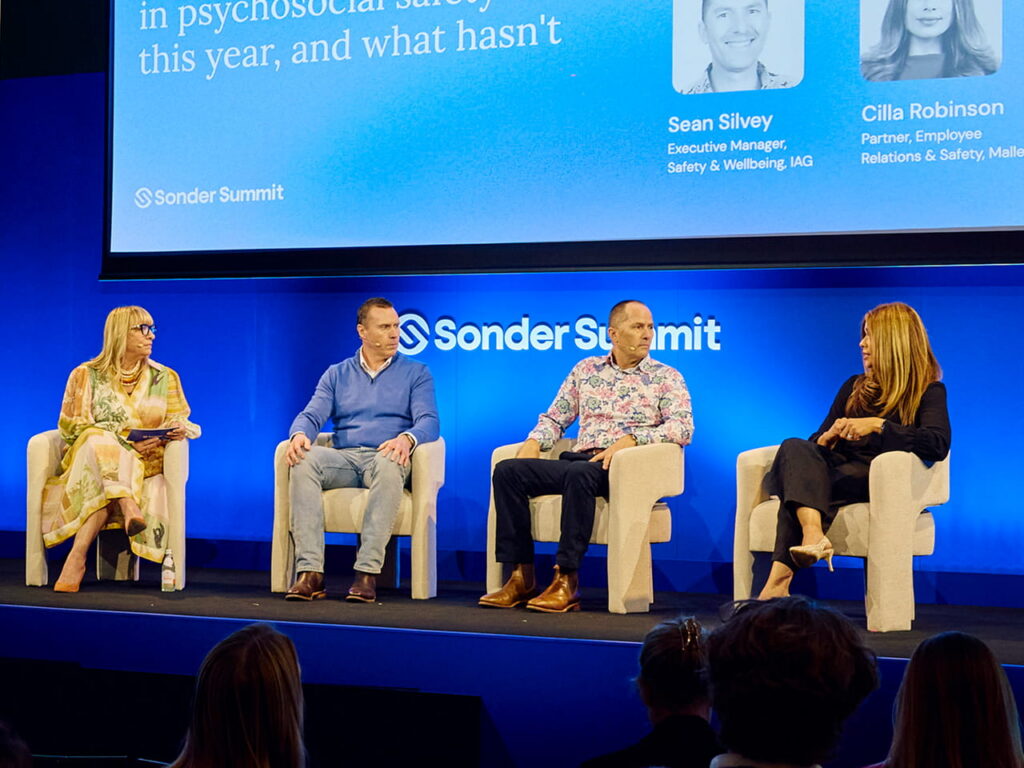
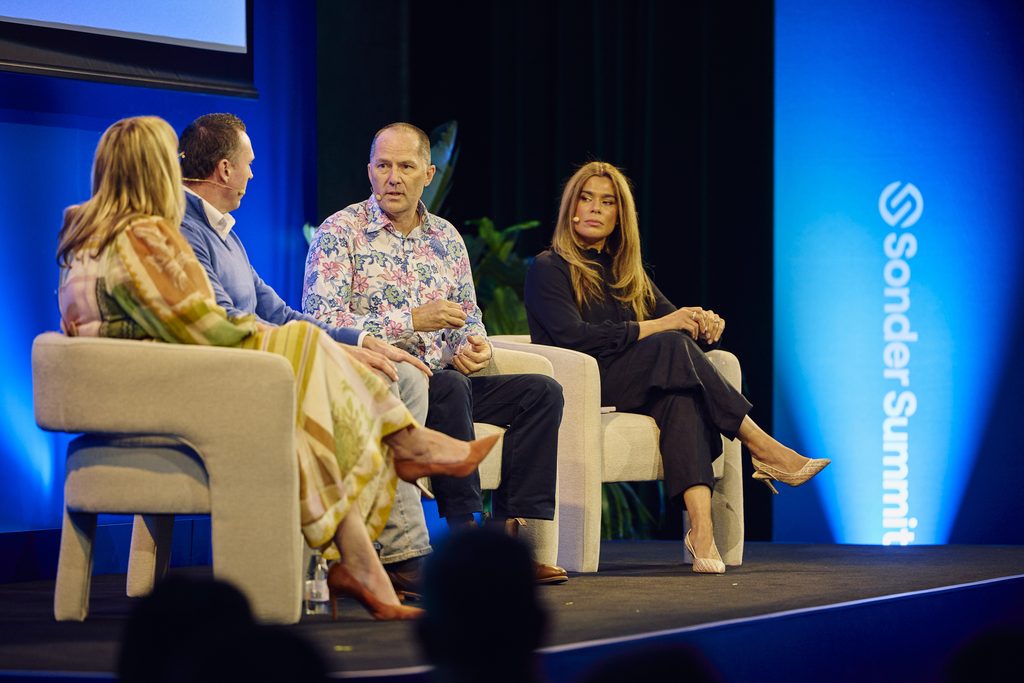
At Sonder Summit 2026, the psychosocial safety panel focused on one question: if we know more, measure more and spend more than ever, why does work still feel the same?
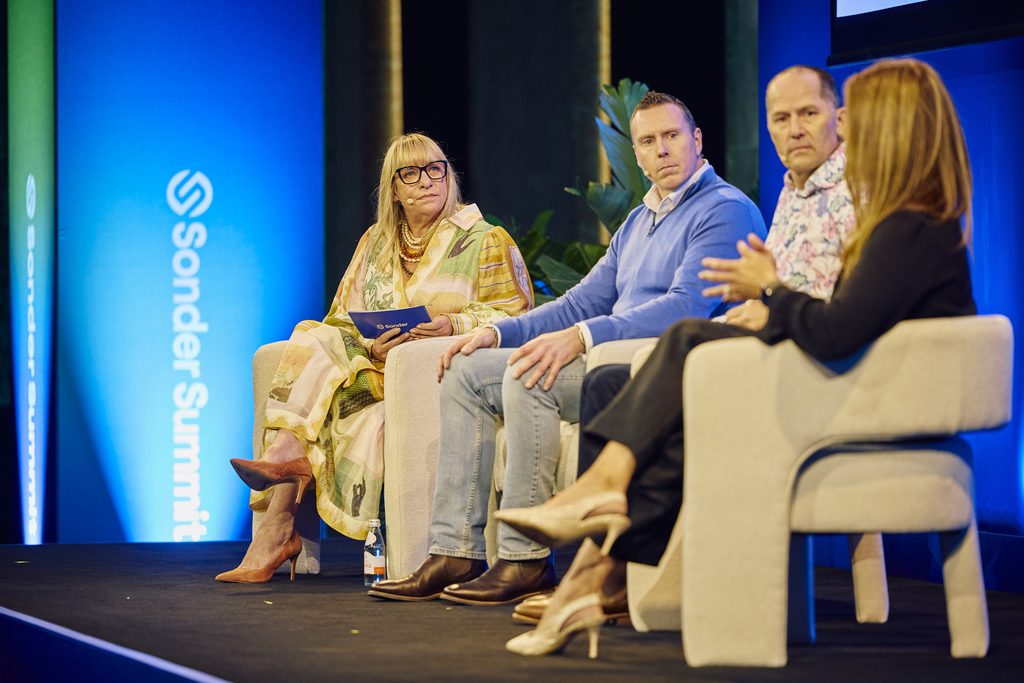
Panel moderator Samantha Young (Co-Founder and Chief Health Officer, Humn) sat down with employment lawyer Cilla Robinson, plus two in-house safety leaders: David Savio from Australian Red Cross Lifeblood and Sean Silvey from IAG, to discuss:
- Why everyday HR processes carry real psychosocial risk
- What it looks like to fix the work instead of the worker
- The practical steps leaders can take this week to reduce risk
One key insight emerged: psychosocial safety is now judged by whether you’ve changed the work, not by how much you’ve documented.
Watch their conversation in full below, or keep reading for the key takeaways.
Meet the experts
- Cilla Robinson: Partner, Employee Relations and Safety, Mallesons
- David Savio: Director, Wellbeing, Inclusion and Safety, Australian Red Cross Lifeblood
- Sean Silvey: Executive Manager, Safety and Wellbeing, IAG
- Samantha Young (moderator): Co-Founder and Chief Health Officer, Humn
What’s changed in psychosocial safety this year?
Over the past 12 months, the psychosocial safety conversation has shifted from ‘regulators are watching’ to ‘what do effective controls look like in practice?’
When we hosted Sonder Summit 2025, the focus was on meeting the standard. Cilla Robinson told the audience that regulators were taking ‘enforcement action all over the place’. A year on, the standard itself has firmed up, and the question has moved on. It’s no longer just ‘are you compliant?’ Now, it’s ‘can you show how the work has tangibly changed for employees?’
Sean Silvey from IAG says more people are speaking up, more claims are being lodged, and regulators are paying closer attention. Psychosocial risk is also showing up in employee relations and legal conversations, not just HR. But as he points out, more activity doesn’t mean the job is done:
The conversation [around psychosocial safety] has shifted now to the way we work… how do we continue to design, with intent, and embed psychological and physical safety into the way we run our organisation?
Executive Manager, Safety and Wellbeing, IAG
What are Australian employers getting right on psychosocial safety?
Employers are getting better at understanding the psychosocial risks that exist in everyday organisational processes (like performance reviews and restructures), redesigning work with the people who do it, and asking tougher questions in the boardroom. The common thread is changing how work is done, not just adding more paperwork.
Treating performance reviews and restructures as psychosocial risks
Psychosocial risk is often linked with serious incidents like bullying and harassment. But as Cilla Robinson shares, recent legal cases reveal that risk can exist even in routine HR practices like performance reviews.
In December 2025, the NSW Local Court fined the Department of Defence $188,000 after the death of a worker by suicide. Defence pleaded guilty to failing to train supervisors on how performance work plans can be a psychosocial hazard, and on when to pause the process and refer someone for medical assessment. The worker had been placed on four work plans in six months. It was the first time a Commonwealth employer had been convicted of failing to manage psychosocial risks under federal WHS laws.
Keep reading: Learn how to navigate psychologically safe performance reviews in our practical guide for leaders.
Restructures are getting the same scrutiny. In September 2025, SafeWork NSW issued UTS a prohibition notice pausing proposed job cuts due to the risk of serious psychological harm to staff. The notice was lifted days later, once UTS had taken action with health and safety representatives. Cilla says it’s changed how her clients approach restructures.
Restructures are pretty much occurring constantly. It’s seen organisations approach them very differently, doing genuine risk assessments and thinking about measures they can put in place for their staff that just wasn’t happening in a meaningful way before [those cases].

Partner, Employee Relations and Safety, Mallesons
The takeaway for employers? Risk-assess performance work plans (especially if they’re running back-to-back), proactively look for the early signs of distress, and run risk assessments and consultations before a restructure rolls out.
Redesigning work with the people who do it
The strongest psychosocial fixes come from changing how work is designed, with input from the people who do it.
At Australian Red Cross Lifeblood, frontline staff spend their day inserting needles for blood and plasma donations. David Savio says that task carries built-in emotional demands for both the worker and the donor. The team also tracks how often the needle goes in successfully, which means the performance measure is part of the risk.
That KPI itself is a psychosocial risk factor.
Director, Wellbeing, Inclusion and Safety, Australian Red Cross Lifeblood
Lifeblood didn’t stop at clinical training. If a worker has a few unsuccessful attempts in a row, a clearly defined process kicks in. They might get a second person to support them, or an easier vein next time. The risk is managed through how the work is set up, with training and support alongside it.
Sean Silvey describes a similar shift at IAG. A recent work design project started by asking the people doing the job what wasn’t working. Managers gave employees the autonomy to suggest and make changes. The result was greater satisfaction, a better customer experience and higher productivity, with further changes ahead to reconsider how roles are defined.
Asking tougher questions in the boardroom
Boards that get this right ask whether the controls are working, not just whether a report was signed off.
Directors and officers have a duty they can’t delegate, even though day-to-day responsibility sits further down the organisation.
Cilla Robinson says that gap isn’t going away, but boards are getting better at navigating it. She’s seeing ‘a lot more sophistication and interrogation’ of how practices actually run, including checking in after big changes like restructures to make sure the measures put in place are effective.
Where can employers do better on psychosocial risk?
Employers have the most room to improve on specificity. That means risk assessments that name real hazards, controls that change the work and not just the worker, and a clearer line of sight from the frontline to the boardroom.
Replacing generic risk assessments with specific ones
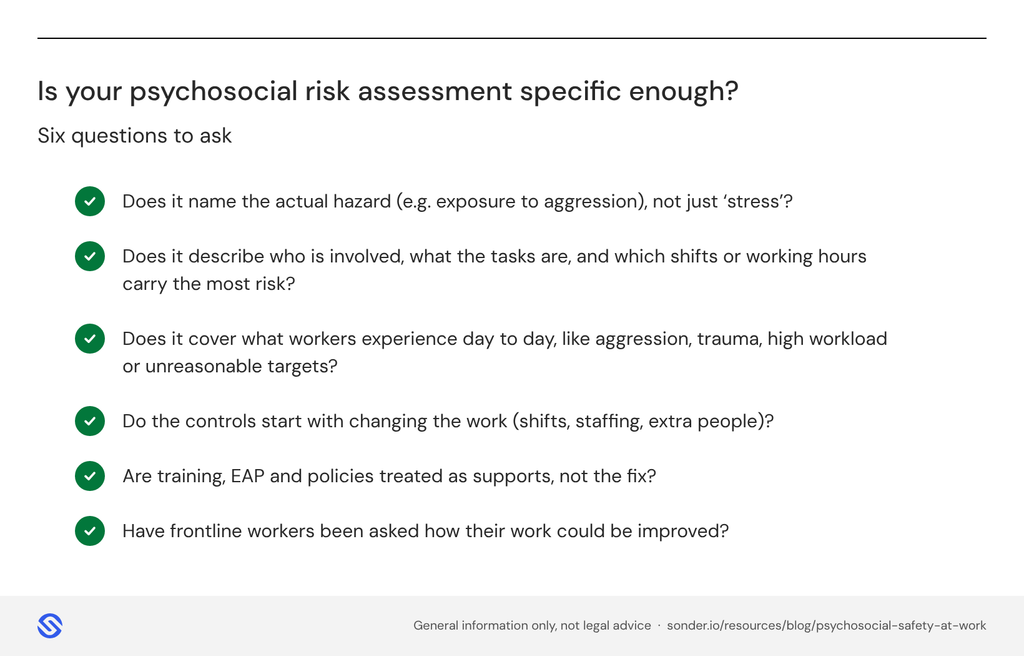
A good psychosocial risk assessment names a specific hazard as well as who’s exposed to it and when, not vague statements about work being stressful.
Cilla says what she wants to see is a full risk assessment, not one that just says ‘our paramedics experience stress’. A useful assessment looks at what they’re exposed to: the kinds of calls, the risk of verbal or physical violence and trauma, which shifts they work, and who’s involved.
Regulators are testing this. David Savio says Lifeblood received an improvement notice on a local-level risk register because its controls were ‘too generic’ for what the regulator expected. The lesson is that controls must fit the specific risk context of each workplace.
Here’s what the difference looks like in practice:
| Vague assessment | Specific assessment | |
| Hazard | ‘Paramedics experience stress.’ | Exposure to aggression and violence, and to trauma and injury, when attending domestic violence calls. |
| Exposure | Not described. | Who the patients and bystanders are, what kinds of calls, which shifts and times of day, and what the paramedic actually experiences (physical or verbal violence, distressing scenes). |
| Controls | Resilience training, employee assistance program (EAP) access and a wellbeing policy. | Changing shifts, sending more people to certain calls, adjusting staffing for higher-risk times of day, and asking paramedics how their shifts could be improved. Training and EAP still sit alongside these as supports. |
Moving beyond training and EAP as the main fix
While training and EAP are useful supports, they work best when workplace design has been reviewed and adjusted, too. In fact, training and EAP are at the bottom of the hierarchy of controls. The hierarchy ranks the ways to manage risk: employers must eliminate a risk where they can and, if not, minimise it by changing the work itself. Administrative controls, such as training and policies, sit near the bottom because they rely on people’s behaviour to work.
Cilla challenges organisations to consider systemic change, rather than more training or paperwork. She gave a few examples from a not-for-profit board she sits on, where staff work with people experiencing homelessness and substance use issues. When hazards can’t be eliminated altogether, it’s worth looking at the same kinds of changes as the paramedic example above: whether shifts can change, whether more people can attend, and whether staffing reflects the times of day that are more problematic.
Getting ground-level risk information to the board
Boards can only act on risks they know about. But too often, information doesn’t reach them or get reported up.
I’m not suggesting that boards or directors need to walk the factory floor, but they need to do more than just sign off on a report, and they need to do more than just look at their quarterly board pack.
Partner, Employee Relations and Safety, Mallesons
When people don’t trust the organisation to carry their concerns upwards, they suffer in silence. The fix is to escalate early signals, like the themes HR sees in exit interviews, before they show up as claims or turnover.
What practical steps can leaders take to improve psychosocial safety?
Leaders can start improving psychosocial safety this week without a radical overhaul of their systems and processes. Here are six practical moves:
- Audit your team’s calendars: As Cilla shared, ‘If you want to look for psychosocial harm, look at people’s calendars.’ Cut recurring meetings with no clear purpose, output or end time.
- Test one risk assessment: Run it against the checklist above and see how specific it really is.
- Ask frontline workers what isn’t working: Then act on what you hear.
- Get one piece of ground-level insight to the board: Start by compiling exit interview themes.
- Build shared language: Start with familiar examples. David Savio found that linking workplace conditions to musculoskeletal injuries helped his executives understand psychosocial hazards.
- Challenge constructively, starting with yourself: ‘Don’t always think it’s your boss’s fault. Actually look in the mirror and challenge yourself.’ — Sean Silvey
Final thoughts: From paperwork to practice
Psychosocial risk is easier to manage when you spot it early. Sonder gives you de-identified reporting across mental health, medical and safety in one portal, plus psychosocial hazard themes surfaced through support interactions, so you can see what’s emerging and act earlier.
Book a demo to find out more.
Want more practical insights like these? Watch all the Sonder Summit 2026 sessions on demand today.