New Zealand workers are under pressure and facing significant barriers when it comes to them accessing care. That’s the clear picture from Sonder’s 2026 health and access snapshot, which surveyed 518 employees across New Zealand.*
Download the seven page snapshot here, or keep reading for the key findings.
*This snapshot is taken from our State of Employee Health and Wellbeing Report 2026. Sonder partnered with YouGov to survey 6,105 workers across Australia, New Zealand and the United Kingdom. Access it in full here.
Poor mental health is widespread, but people aren’t talking about it
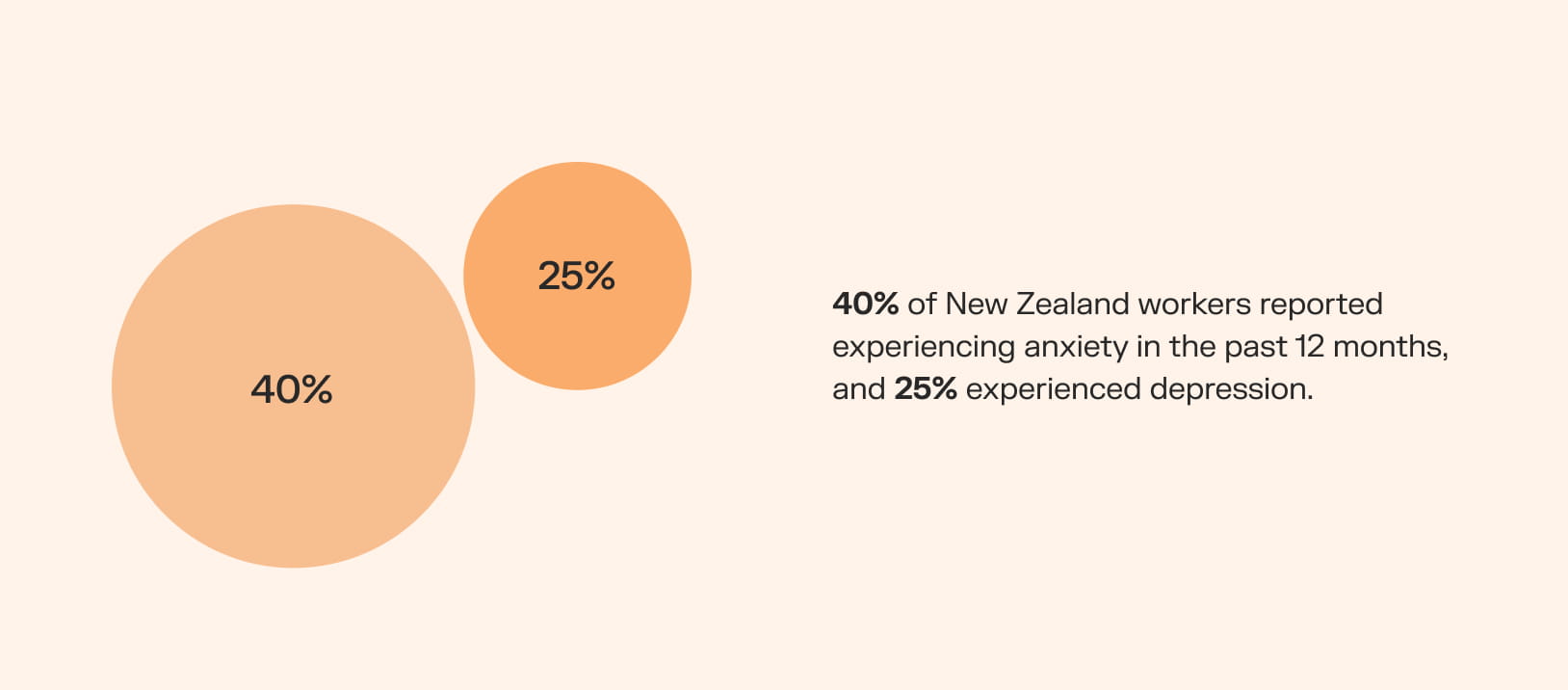
40% of New Zealand workers experienced anxiety in the past year. 25% experienced depression. These aren’t fringe statistics, they represent a large portion of most workforces.
What makes the NZ data particularly notable is the communication barrier. 15% of Kiwi workers say they can rarely or never communicate their thoughts and feelings clearly. That’s nearly double the rate in Australia and higher than the UK. For managers trying to identify and support struggling team members, this gap makes early intervention significantly harder.
The cost of care is the biggest barrier to getting help
When asked why they delay seeking support, 57% of New Zealand workers cited expensive appointments, the highest rate across all markets surveyed. The data reflects a broader reality: the cost of living crisis has become a workforce health crisis.
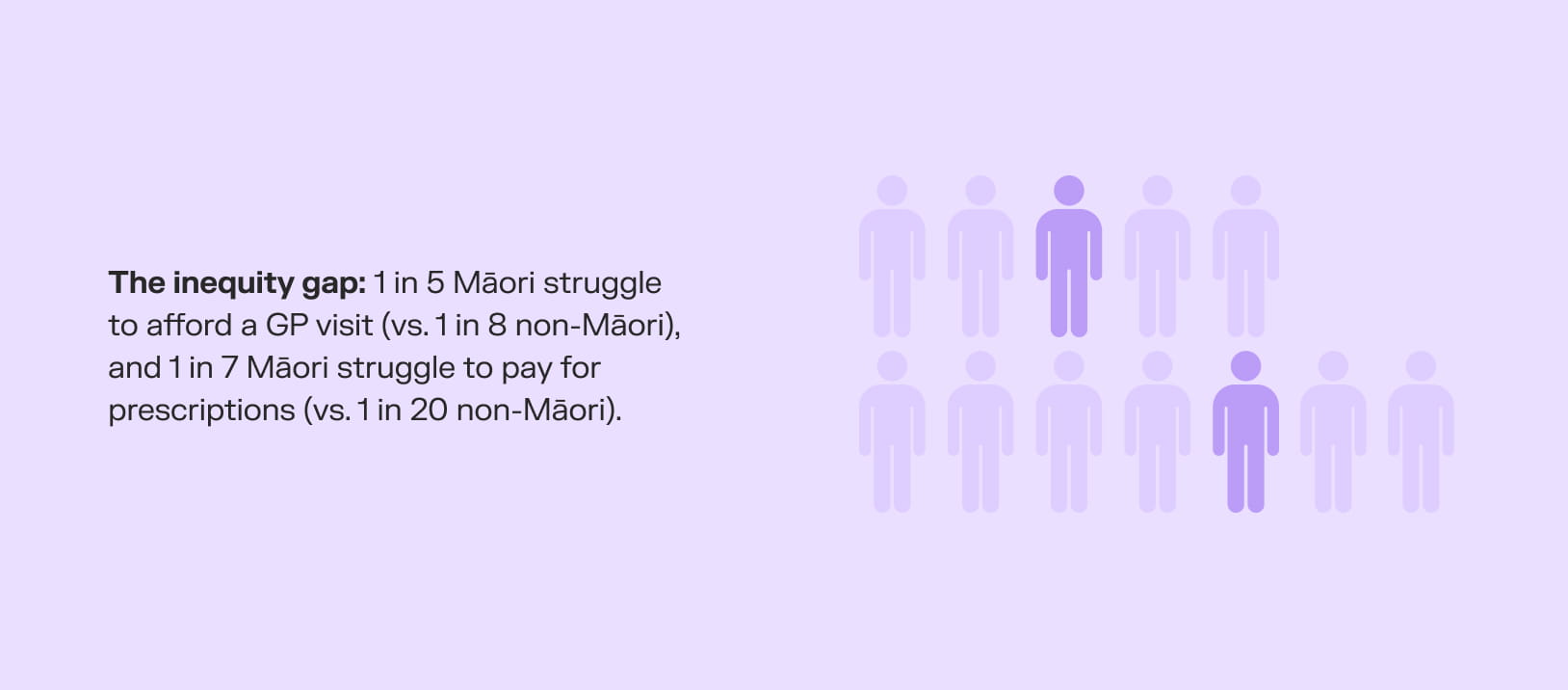
The inequity is also stark. 1 in 5 Māori workers struggle to afford a GP visit, compared to 1 in 8 non-Māori. 1 in 7 struggle to afford prescriptions, versus 1 in 20. For employers committed to equitable wellbeing support, this gap represents a clear area for action.
New Zealand’s frontline workers are running on empty
Only 18% of New Zealand workers always feel physically energised enough to do their jobs. For care and service professionals such as nurses, aged care workers, frontline staff, that number drops to 15%.
Fatigue at this scale isn’t just a personal health issue. It correlates directly with increased workplace incidents, errors, and burnout-related turnover. The people we rely on most are often the least supported.
Belonging is a performance lever – and it’s underused
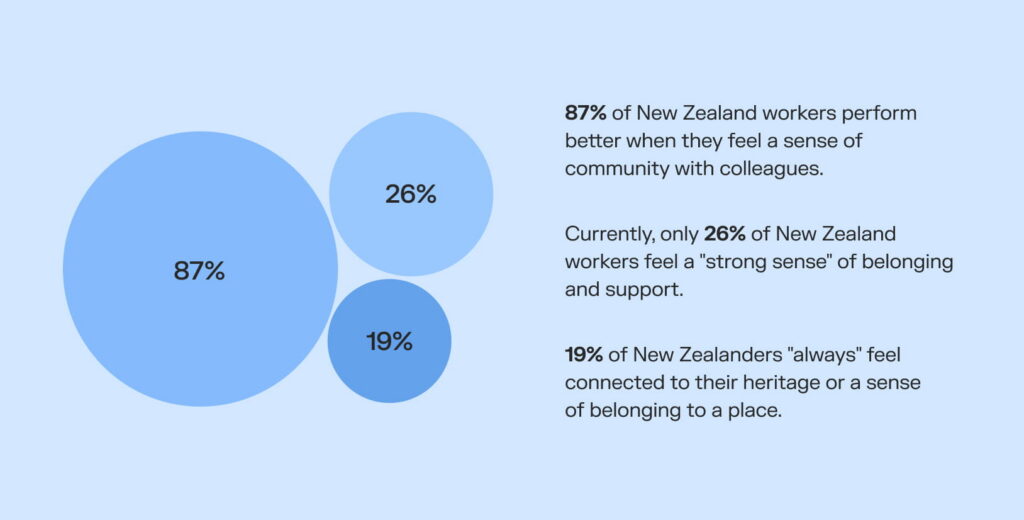
87% of New Zealand workers say they perform better when they feel a sense of community with colleagues. Only 26% report feeling a strong sense of belonging and support right now.
That gap between what people need and what they’re experiencing represents one of the most addressable drivers of underperformance in New Zealand workplaces.
A more connected approach to wellbeing
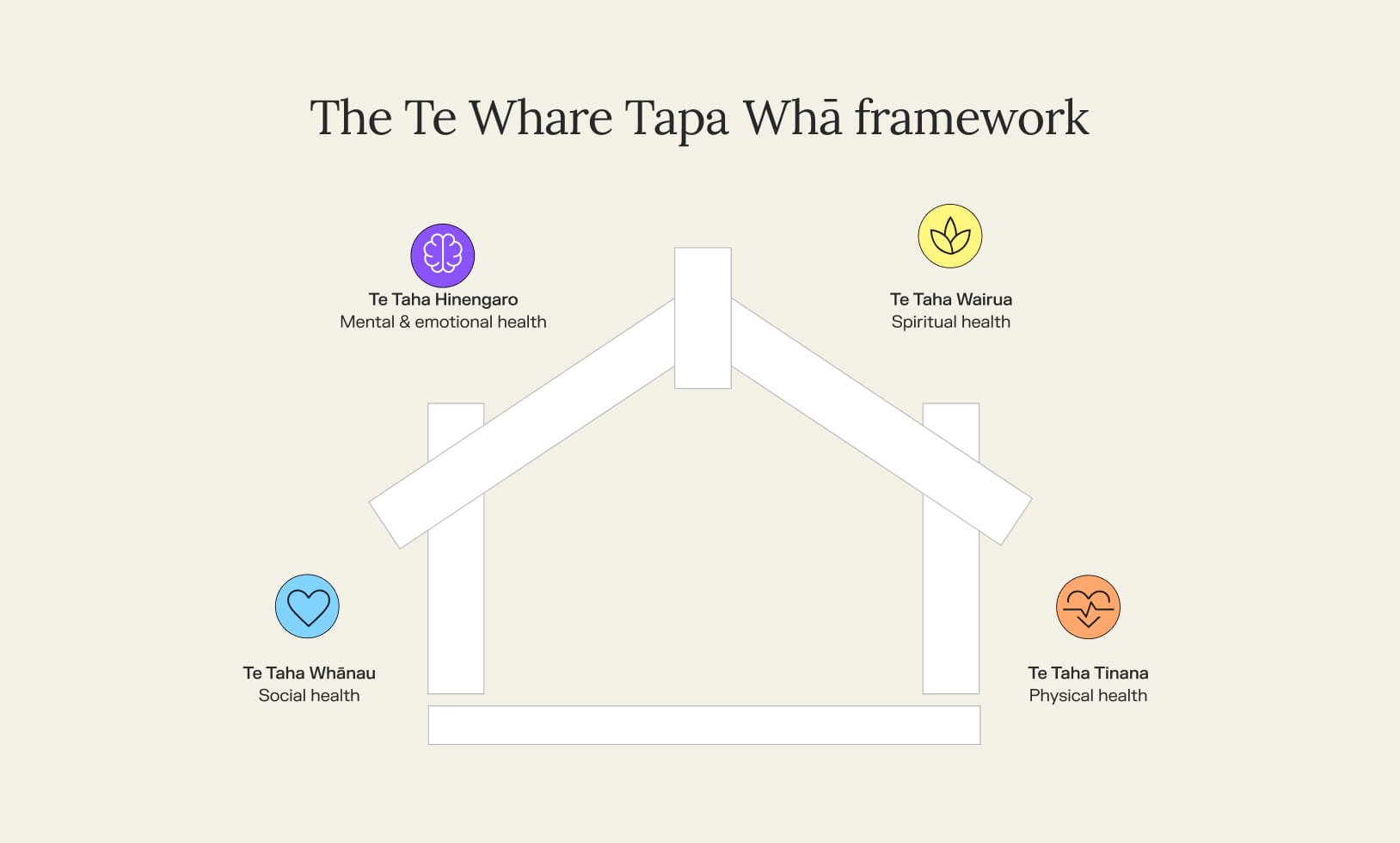
Sonder’s model of care is grounded in Te Whare Tapa Whā. The Māori health framework understands wellbeing as interconnected across mental, physical, social, and spiritual dimensions. It’s a framework that makes intuitive sense of what the data is showing: these issues don’t exist in isolation.
As Kimi Powell, Sonder’s Director of Clinical Services, puts it: “The opportunity for leaders in 2026 is to remove systemic barriers — whether economic, geographical, or cultural — and provide a single, trusted point of entry to care that meets people exactly where they are, before they reach a crisis point.”
Sonder supports this approach with 24/7 access to holistic mental and physical health support, helping organisations move from awareness to action. Together, these insights and tools give leaders a clear path to foster resilience, engagement, and thriving teams as we head into 2026 and beyond. Get in touch for a demo and to find out more.
Download the full NZ health and access snapshot here.