
At a glance:
- A growing workplace issue: Burnout is more than just stress; it is a state of chronic physical and emotional exhaustion. With 49% of employees reporting burnout in the last 12 months, it is a critical risk to productivity and retention.
- Recognising the red flags: Early intervention is key. Leaders should look for signs such as decreased productivity, increased absenteeism, unusual cynicism, and physical symptoms like chronic fatigue or anxiety.
- Root causes beyond the desk: While high workloads are a primary driver, burnout is also caused by a lack of support, poor work-life balance, and external stressors like financial or personal struggles.
- Proactive prevention strategies: Organisations can mitigate risk by fostering open communication, promoting clear boundaries around always-on technology, and providing holistic support tools that address the whole person.
In fact, 1.9 million working people in Great Britain are suffering from a work-related illness, of which 964,000 are experiencing stress, depression, or anxiety. As reported by the Health and Safety Executive.
According to Mental Health UK’s Burnout Report 2026, one in five (20%) workers take time off yearly due to poor mental health caused by stress, rising to 39% among young workers aged 18–24.
This has far-reaching consequences for employees and employers alike, leading to absenteeism, reduced productivity, and a rise in employee turnover.
If you’re looking to reduce employee burnout within your team or organisation, this blog covers everything you need to know about:
- Expert advice on dealing with stress in the workplace
- The warning signs for leaders to recognise
- Top strategies for burnout prevention
What is employee burnout?
The World Health Organization (WHO) describes employee burnout as a workplace phenomenon “resulting from chronic workplace stress that has not been successfully managed.”
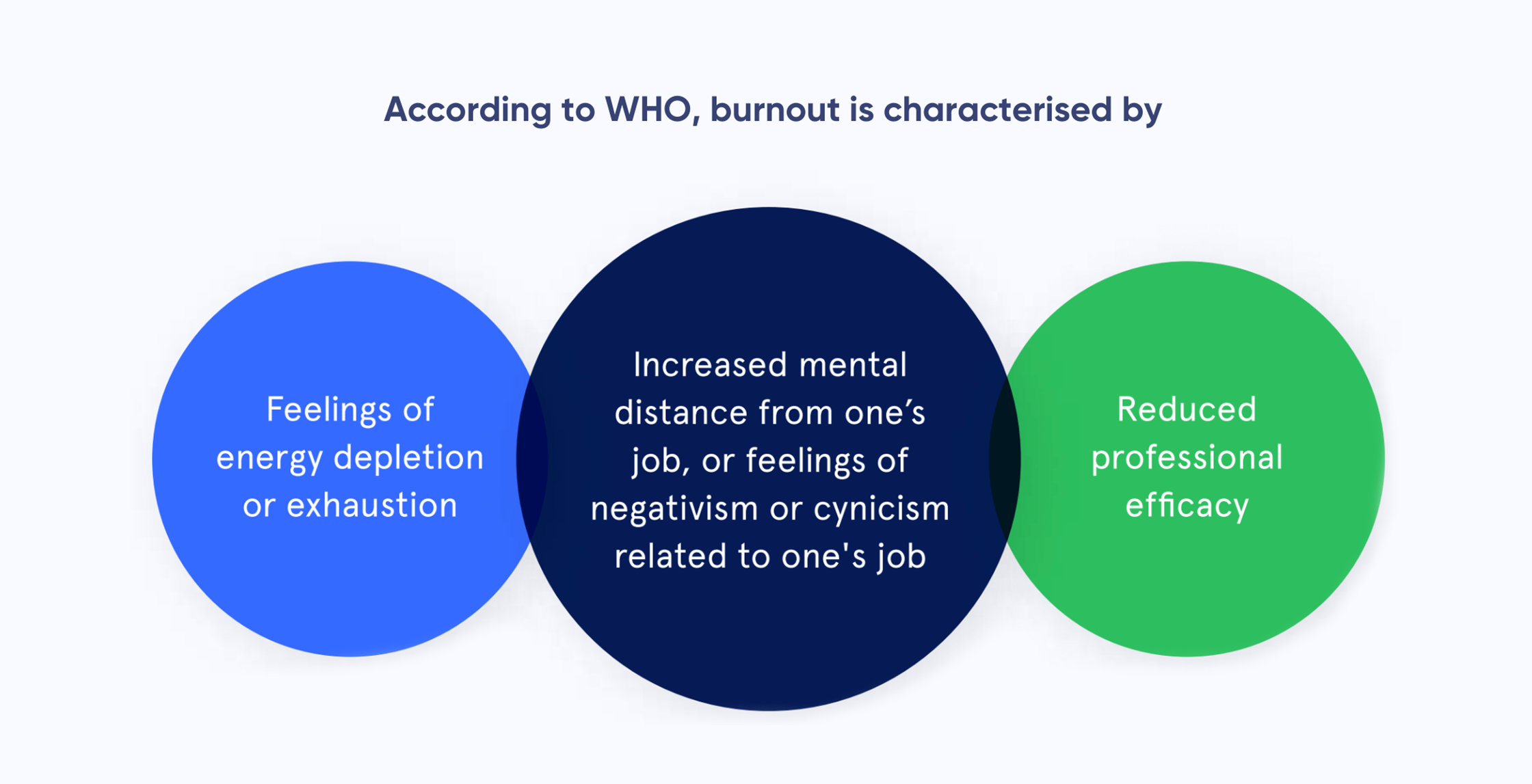
As a state of physical, emotional, and mental exhaustion, burnout can manifest in a myriad of ways. Employees may experience:
- Decreased motivation and productivity
- Increased absenteeism
- Lower productivity
- A lack of engagement in their work
What causes employee burnout?
Given the complex, multifaceted nature of employee burnout, there are various causes. As Alex Hattingh, Chief People Officer, explains, “People don’t know when to switch off, especially with technology like Slack or Teams. While it’s game-changing technology, you’re always on and burnout is a huge trend that I’m seeing and am concerned about.”
Stress in the workplace can easily spill beyond the workplace and into everyday life.
So, what causes employees to burnout?
- Growing workloads: Increased pressure in the form of competing deadlines, mounting responsibilities or work overload can greatly contribute to employee burnout.
- Lack of support: Employees who feel unsupported by their team or manager are more likely to experience burnout and a strain on their wellbeing and mental health.
- Poor work-life balance: Whether it’s poor time management, an unsustainable workload, or an inability to switch off after work hours, this imbalance can decrease job satisfaction and motivation as well as increase stress levels.
- External stress: Preventing employee burnout doesn’t just mean paying attention in the workplace; it also means acutely understanding how external stressors like unplanned life events, relationship troubles, and financial struggles can contribute to burnout.
- Unfair treatment: Employees who feel they are being unfairly treated in the workplace are more likely to disengage with their work. Disagreement and mistreatment from coworkers, bosses, and team members should be taken seriously and immediately addressed.
“Not getting the right support for your mental health isn’t just debilitating, it can hit a painful pause button on your life, stopping you working, enjoying time with family and friends, or living day-to-day life.”
Wes Streeting, Health and Social Care Secretary
How to spot the signs of employee burnout
The sooner you identify the early signs of employee burnout, the sooner you can put measures in place to better support your team. While prevention is always better than cure, some of the red flags that indicate a worker might not be coping include:
- Decreased productivity: If a high-performing employee begins to miss due dates or fails to deliver work on time, this could be a sign that they’re struggling to cope at work.
- Physical and emotional exhaustion: Sonder’s burnout report found that many employees show a reluctance to take time off, with just 35% reporting having taken time off for mental health in the last 12 months. Lack of rest can lead to physical and emotional exhaustion and, ultimately, employee burnout.
- Negative feelings: If an employee who is typically optimistic, motivated, and upbeat begins expressing negative feelings about their position or work, they may require extra support.
- Physical symptoms: Along with the mental and emotional symptoms of burnout, it’s also not uncommon for employees suffering from chronic stress and exhaustion to present with physical symptoms. This may include persistent headaches or migraines, back pain, anxiety and panic attacks, digestive issues, and chronic fatigue.
The cost of employee burnout for businesses
Burnout doesn’t just affect employees. It can also have significant consequences for your business and your wider workplace culture.
Employees experiencing burnout are less likely to bring their best self to work, leading to presenteeism and a drop in productivity and output. Over time, burnout often begins to show up physically, increasing the likelihood of illness and time away from work.
If left unaddressed, this can lead to a spike in employee turnover, which comes at a significant cost to employers. But even before employees take time off, many continue to work while denying or hiding that they feel unwell, which impacts performance at scale.
How much does burnout cost UK businesses each year?
This hidden sickness in the workplace is costing UK businesses billions of pounds every year, according to a report by the Institute for Public Policy Research (IPPR). The data shows that since 2018, the cost of sick workers has increased by £30 billion. Out of this overall cost, £25 billion is due to lower productivity when employees work while unwell, with £5 billion attributed to sick days.
On average, employees now lose the equivalent of 44 days of productivity each year, up from 35 days in 2018. They also take an average of 6.7 days off sick, nearly double the 3.7 days in 2018.
This rise in sickness not only costs businesses money but also puts extra pressure on other workers, increasing the risk of burnout across the workplace.
As Jamie O’Halloran, senior research fellow at IPPR, explains, “Too often, UK workers are being pressured to work through sickness when that’s not appropriate – harming their wellbeing, and reducing productivity. This can be because of a bad workplace culture, poor management, financial insecurity or just weak understanding of long-term conditions among UK employers.”
High turnover is another major consequence of employee burnout. The Secretary of State for Work and Pensions, Rt Hon Liz Kendall MP, says,
“People with mental health conditions are left without the support they need to return to work – not because they lack the will, but because the system doesn’t work for them.” When employees lack well-being support, it gives them another reason to look for a more attractive package elsewhere.”
Rt Hon Liz Kendall MP
High turnover is more common when employees feel unprotected, undervalued, or struggle to maintain a work-life balance. There are significant financial and resource costs associated with replacing staff, not to mention the loss of knowledge from experienced employees.
5 strategies for preventing employee burnout in the workplace
Ready to tackle the root causes of employee burnout and set your people up for success? Here are the top strategies to help prevent employee burnout and foster a positive work environment.
1. Promote work-life balance
Fostering greater work-life balance in the workplace is key to preventing employee burnout. Employees should be encouraged to take time off when necessary, and flexible schedules can also help.
And, at a time when technology sees us constantly plugged in, it’s important to communicate that employees aren’t expected to respond after-hours or outside of work.
“Communicating expectations around responsiveness can help, so people know it’s okay not to respond to that Slack message or email. There’s no pressure to respond out of hours. It’s a very simple thing to do, but often we forget the need to set that expectation clearly with others.”
Raechel Gavin, Chief People Officer at Sonder
2. Encourage open communication
Open communication is key to ensuring your employees feel supported within the workplace. Particularly in an age where remote work is a reality for many, it’s never been more important to build a culture of connection through intentional check-ins with direct reports.
Here’s how you can foster open communication with your team:
- Be vulnerable: Discussing mental health struggles can be uncomfortable for many employees. By being open about your own struggles as a leader, you’ll open the door for employees to do the same. Research has also shown that authentic leadership cultivates trust and improves employee engagement.
- Be clear to be kind: As Raechel Gavin explains, “In times of uncertainty, role clarity becomes even more critical. Be clear in explaining what is expected, what needs to be done, and what success looks like. If we don’t create clarity, the risk is that people second-guess themselves. They feel stretched and directionless. All of these things can start to lead to burnout, anxiety, overwhelm and stress. Once you create this clarity it’s key to stay connected with regular dialogue and feedback.”
- Take a customised approach: It’s important to never make assumptions about what your direct reports need. Instead, focus on each individual and listen carefully to their challenges.
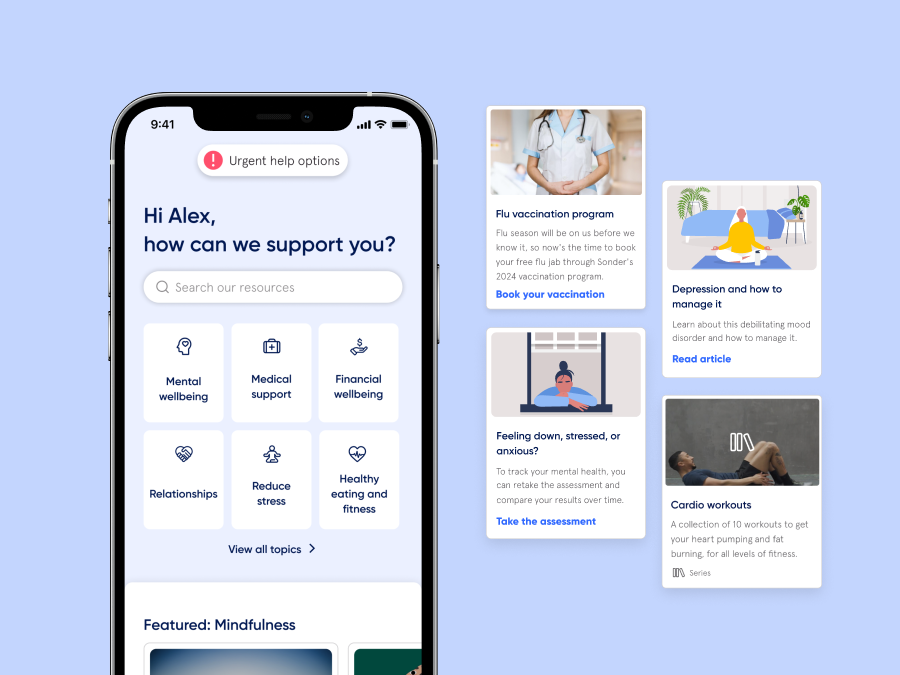
- Make your team aware of mental health resources and encourage them to use them: Sonder’s Resource Hub also serves as a powerful aid for managers. Managers can easily curate content that is relevant to their teams and share these resources around the business as needed.
3. Create a supportive work environment
An important part of creating a supportive work environment involves cultivating empathetic leadership.
As Raechel suggests, “The leadership of yesterday is not enough to help us navigate the complexities of work and life today. We need to constantly refresh and add to our tool kit. One example is, incorporating high empathy into your leadership. Understanding and working with the whole person, demonstrating authentic, genuine care.”
4. Implement stress-reducing initiatives
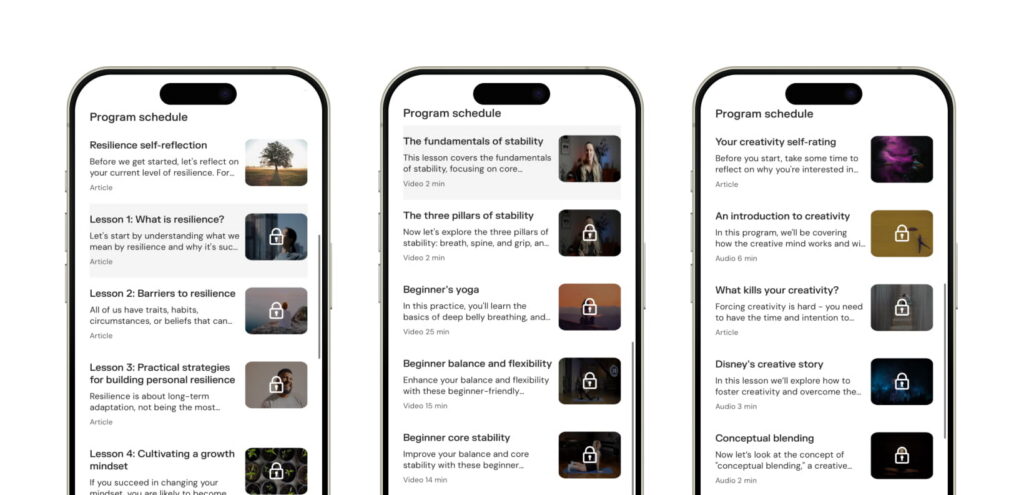
By implementing stress-reducing initiatives in the workplace, you can ensure employees have the tools to overcome challenges that could be symptomatic of chronic stress or burnout. In practical terms, this could include:
- Guided meditations and sleepscape sounds to help employees prioritise rest and their mental wellbeing.
- Interactive quizzes that allow employees to assess if their mood, anxiety, or stress levels are cause for concern, backed by mental health articles and resources to take targeted action.
- Curated courses that coach managers on how to better manage their time with hacks and tips for boosting productivity and managing stress levels.
- Free budgeting resources and access to handy apps to help employees get smarter with their money and reduce financial stress.
Whether in the form of workshops, seminars, or online resources focused on mindfulness, relaxation techniques, time management, and overall wellbeing, these resources should be accessible to all employees.
5. Offer preventative resources and support
Despite the widespread nature and awareness of burnout, many organisations fail to prevent the issue. The wellbeing of employees within the workplace should be a priority of any organisation, with tools and resources made available to support their health and safety at both a physical and mental level.
As Liz Kendall explains, wellbeing support prevents future risk, “By improving access to mental health services and ensuring employment support is better tailored to individual needs, we will transform people’s lives, helping them get back to health and back to work, which is good for them, good for the country and good for the economy.”
With Sonder, employers can tackle burnout before it reaches crisis point with the following tools:
- Resource hub: With a ‘choose your own adventure’ approach, employees can hone in on relevant resources, making the hub a personalised, on-demand wellbeing coach available 24/7.
- In-app functionality: With employees able to share and save content, managers are able to easily curate content relevant to their teams and share these resources around the business in seconds.
- Immediate care services: Given that burnout and mental health challenges can arise at any moment, health professionals and first-person responders are available 24/7 for confidential and practical support.
- Face-to-face support: for those who require urgent in-person care, face-to-face support is available for Sonder’s network of responders.
Sonder case study
Situation
A retail worker in his mid thirties had recently transferred to a new store. The member reached out to Sonder as he was experiencing significant workplace stress, manifesting as:
- Burnout and stress from being overworked
- Feeling pressured by his new manager
- Severe weight loss
- Feelings of unworthiness, uselessness, and increased self-critical thoughts
Response
During the initial support case, active listening and support were provided via a Sonder Care Specialist, along with a recommendation to visit a GP for weight loss. Self-help resources were offered, and a counselling session was scheduled for the following day. The session revealed the member’s acute condition, including paranoia and hallucinations.
The counsellor made an urgent referral to the local mental health team. They conducted an on-site assessment, determining that psychiatric inpatient care was necessary within two days.
Outcome
The member received immediate and appropriate psychiatric care, ensuring his safety and wellbeing, and ongoing follow-up provided sustained support. Throughout the process, valuable insights were gathered, helping arrange future-oriented steps and enabling rational decision-making.
In potentially preventing a full psychotic episode. This case underscores the importance and effectiveness of Sonder’s integrated stepped-care model.
Ready to foster engaged, resilient teams?
Experience a modern approach to employee care that focuses on prevention and early intervention. Get in touch with Sonder today to discover how our platform can benefit your organisation.
About Sonder
Sonder is a technology company that helps organisations improve the wellbeing of their people so they perform at their best. Our mobile app provides immediate, 24/7 support from a team of safety, medical, and mental health professionals – plus onsite help for time-sensitive scenarios. Accredited by the Australian Council on Healthcare Standards (ACHS), our platform gives leaders the insights they need to act on tomorrow’s wellbeing challenges today.