At a glance:
- The legal obligation: Bullying and harassment are recognised workplace risks; under UK law, employers have a duty of care to protect employees’ health, safety and wellbeing, supported by guidance from ACAS and the Health and Safety Executive.
- The hidden cost: Work-related ill health and workplace injuries cost the UK an estimated £22.9 billion annually, with 40.1 million working days lost each year due to these issues.
- Beyond the obvious: While physical violence is rare, subtle “micro-harms” — such as exclusion, aggressive banter or discriminatory remarks — can be just as damaging over time.
- The proactive response: Building a safe culture requires setting clear behavioural standards, training managers in psychological first aid and providing 24/7 confidential support.
As a leader, you want your workplace to feel safe, supportive, and respectful. But even in the strongest teams, challenges can emerge. Maybe you’ve noticed rising tension between colleagues or overheard a careless remark. Perhaps someone seems less ‘themselves’ these days or you’ve heard someone crying in the bathroom.
These moments might seem small or isolated at first, but over time, they can point to something more serious: bullying and harassment at work.
While occasional conflicts are a normal part of working life, bullying and harassment are different. They create environments where employees feel unsafe, disrespected or excluded. In the UK, these behaviours are addressed through frameworks including the ACAS Code of Practice and employer obligations under the Health and Safety at Work etc. Act 1974 and the Equality Act 2010.
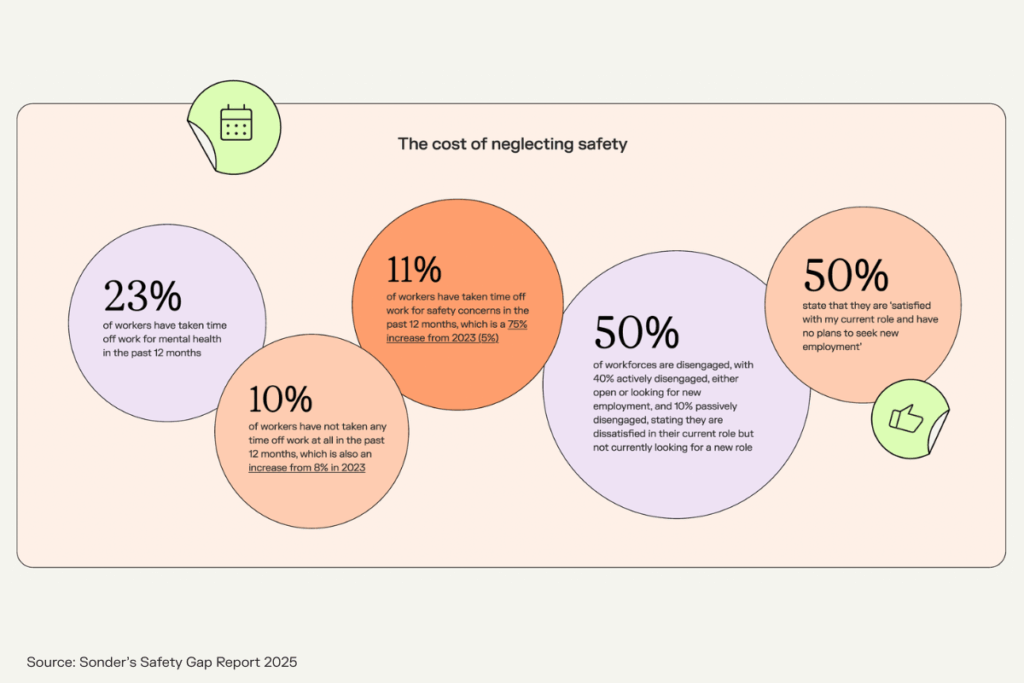
The impact also goes beyond compliance. Poor workplace culture and unresolved conflict contribute significantly to stress-related illness, absence and reduced productivity across UK organisations.
We know these challenges can feel complex, particularly when you’re balancing performance, culture and compliance. That’s why understanding bullying and harassment, and how to respond, is essential for building a safe, engaged and high-performing workplace.
In this article, we’ll explore how to recognise harmful behaviour, manage the risks and embed prevention strategies that support both your people and your business.
Disclaimer: The information contained in this article and on this website is general information only and does not constitute legal advice. Although all efforts have been made to ensure the accuracy and currency of the information presented, Sonder takes no responsibility for any errors or omissions presented. Please contact a legal representative for individual advice.
What is bullying and harassment at work, and why does it matter?
Bullying and harassment aren’t just awkward interactions or a missed “good morning.” They are behaviours that create real risks to wellbeing and workplace culture—and they can arise in any organisation.
According to ACAS:
- Bullying can include offensive, intimidating, malicious or insulting behaviour, or misuse of power that undermines or humiliates someone
- Harassment is unwanted conduct related to a protected characteristic (such as age, race, sex or disability) that violates someone’s dignity or creates an intimidating, hostile or degrading environment
In practice, this can look like:
- Aggressive or intimidating behaviour, including threats or verbal abuse
- Bullying and harassment, including sexual harassment or discrimination
- Ongoing conflict or unhealthy working relationships
These behaviours become particularly harmful when they are:
- Severe in nature
- Repeated or prolonged over time
- Frequent or embedded in workplace culture
Extreme examples, such as physical assault, are usually obvious and often swiftly dealt with. The greater challenge lies in recognising and addressing the more subtle behaviours — like sexist remarks, exclusion from meetings, or a culture where aggressive banter is normalised. These can chip away at employee wellbeing over time, often without being formally reported until the damage is done.
When can bullying and harassment happen, and what are the risks?
Bullying and harassment can arise in many different contexts, from everyday interactions to organisational systems.
Some employees may also be more vulnerable due to characteristics protected under the Equality Act 2010, including age, disability, gender reassignment, race, religion or belief, sex, and sexual orientation. These factors can also make individuals less likely to report concerns.
Workplace conditions can also contribute. Let’s take a look at some examples:
- High-pressure periods: deadlines, peak workloads or staffing shortages increasing stress and tension
- Power imbalances: between managers and employees, or senior and junior staff
- Team dynamics: cliques, exclusion or gossip shaping culture
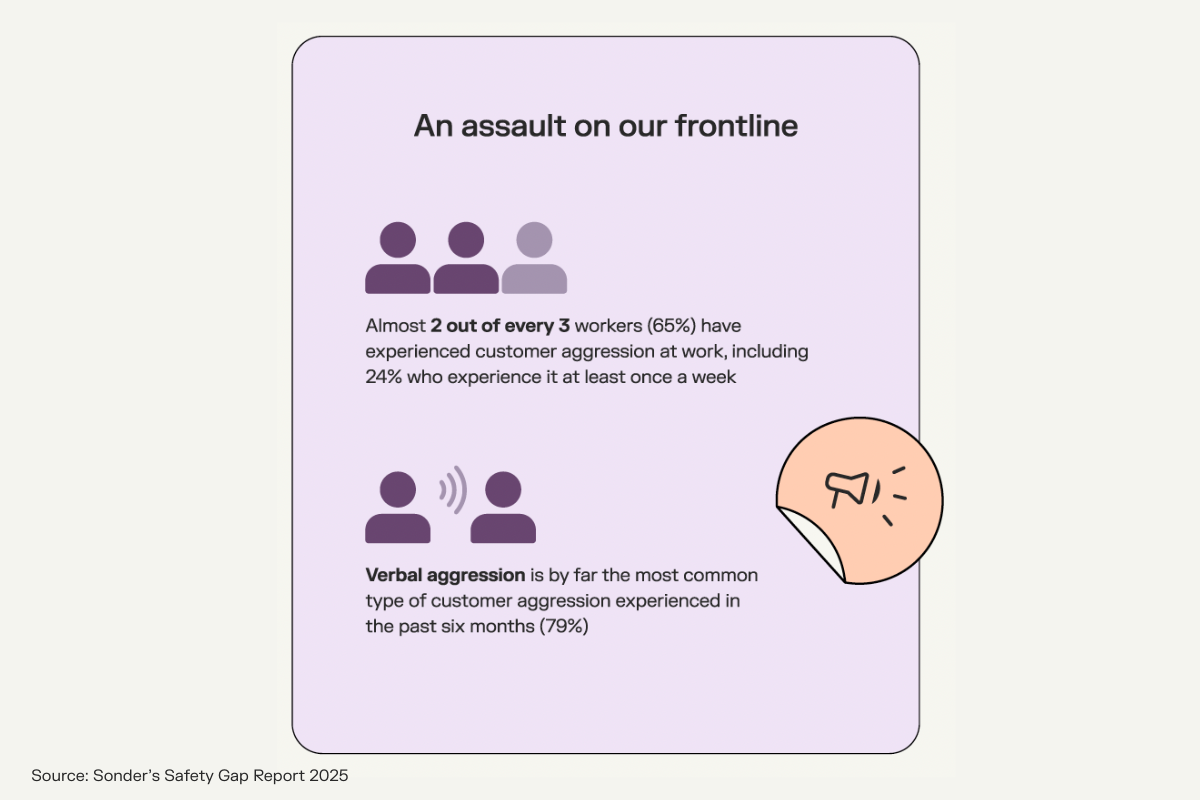
- Customer interactions: exposure to aggression or discriminatory behaviour from the public
- Organisational systems: policies that unintentionally disadvantage certain groups
- Digital spaces: email, messaging platforms or video calls where tone may be misused
- Remote or hybrid work: reduced visibility making exclusion or poor behaviour harder to detect
How do you identify the signs of harmful behaviour?
The first step is awareness. And be mindful — don’t assume your workplace is free from bullying or harassment simply because no one has raised a concern.
If you’ve never experienced racism yourself, for example, it can be easy to overlook subtle microaggressions or other insidious behaviours that cause real harm.
Because these behaviours can easily slip under the radar or go unreported, leaders need to be proactive. So where can you start?
There are several ways you can build a picture of what’s happening in your team:
| Action | Assessment |
| Listen to your people | Workers are unlikely to use the term “harmful behaviour,” but they might describe feeling stressed, humiliated, uncomfortable, upset, or afraid. Concerns about workplace culture or relationships can be early warning signs. |
| Use surveys and tools | Engagement surveys or pulse checks can help surface issues that may not be raised directly. |
| Observe behaviours and interactions | Some harmful behaviours, like physical violence, are obvious and rarely tolerated. Others are more subtle, such as crude language, exclusion, or a culture of sexist jokes, and can be harder to identify — apply deliberate attention. |
| Review existing data | Patterns of overtime, absenteeism, injuries, incident reports, or workers’ compensation claims can highlight risks that might otherwise be missed. |
| Encourage reporting | Workers are far more likely to raise concerns if they believe they’ll be taken seriously and treated respectfully. Make it easy and safe for them to speak up and ensure your managers are trained to lead with empathy. |
| Look at all the risks present | Hazards often interact. For example, employees under high job demands may be more likely to behave harmfully towards others, or those who are isolated may be experiencing unreported aggression. These risks can compound and escalate quickly. |
| Consider exposure and vulnerability | The longer, more frequent, or more severe the behaviours, the greater the risk of harm. The risks also rise further when someone faces multiple forms of discrimination. Some workers — based on factors such as sex, gender, sexuality, age, migration status, disability, or literacy — may be more vulnerable and less likely to report what they’re experiencing. |
Alongside genuine care for your people, it’s important to remember that harmful behaviours are classified as a psychosocial hazard. This means organisations have a legal duty to identify, assess, and manage them — just as they would with physical risks.
Practical strategies to prevent harmful workplace behaviour
Managing harmful behaviour requires both a proactive and a reactive approach. Proactively, leaders can build a culture that prevents harm and strengthens workplace relationships. Reactively, they need clear, fair systems to address issues when they do occur.
The most effective strategies bring these together to create a safe, respectful, and accountable workplace.
Try these practical strategies:
1. Prevention and culture building
- Set clear behavioural standards: Develop and actively promote clear behavioural standards with specific examples of acceptable and unacceptable conduct.
- Strengthen team connections: Use regular team-building activities to build trust, communication skills, and conflict resolution capacity.
- Break down silos: Encourage cross-functional projects that support employees in building relationships outside of their immediate department or teams.
- Set team protocols: Provide guidelines for respectful communication, especially during high-pressure situations.
2. Organisational support system
- Train managers: Provide training in psychological first aid and early intervention techniques for mental health concerns, so managers are equipped to respond.
- Establish peer mentoring programs: Introduce this method so experienced employees can support newer team members.
- Check in regularly: Implement “check-in” protocols during high-stress periods such as busy seasons, organisational changes, and personal crises.
- Plan for returns: Develop return-to-work programmes that provide graduated support for employees recovering from psychological injuries or returning from extended periods of leave.
3. Formal response systems
- Diversify reporting channels: Offer multiple support channels, including Employee Assistance Programmes, anonymous reporting, and external mental health services.
- Investigate promptly and fairly: Respond to all reports with clear timelines and transparent communication.
- Use restorative justice approaches: Where appropriate, focus on repairing relationships and preventing recurrence, not just punishment.
- Ensure accountability: Communicate clear consequences and follow guidance from ACAS on handling disciplinary and grievance procedures.
How do you embed these into your organisational structure?
Lasting change comes when strategies are woven into the fabric of your organisation. Embedding them into culture means moving beyond one-off initiatives and making respect, safety, and accountability part of everyday working life.
Leaders can embed them by:
- Modelling respectful behaviour
- Reinforcing expectations in communication and processes
- Recognising and rewarding positive behaviour
- Providing ongoing learning for respectful and empathetic behaviour
- Monitoring progress over time and adapting proactively
Done consistently, these actions shift culture from reactive to preventative, protecting both people and performance.
Step up your workplace wellbeing with Sonder
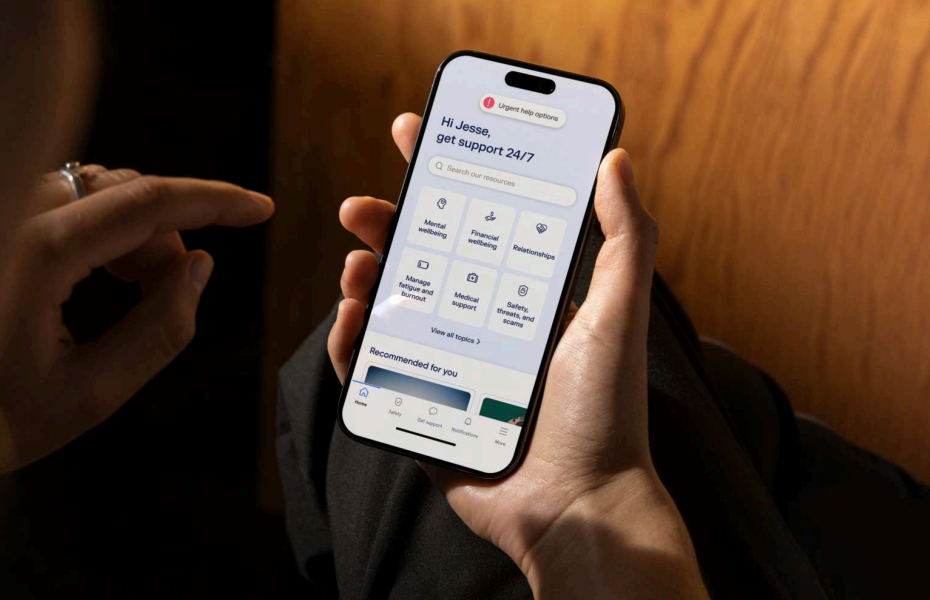
Stepping up to harmful behaviour isn’t something leaders have to do alone. Sonder provides on-demand support that complements your workplace culture and helps protect both people and performance by offering:
- 24/7 access to personalised care — from mental health support to safety and medical guidance, so employees never feel alone when issues arise.
- Relief for leaders and managers — easing the pressure of being the sole point of contact when harmful behaviour or conflict surfaces.
- A consistent safety net — giving employees confidential, professional support that not only helps them navigate incidents but also strengthens overall workplace wellbeing.
Ready to see Sonder’s features in action? Request a demo to try it now and see for yourself.