At a glance:
- Rhythm beats willpower: Sustainable performance isn’t built through effort alone. It comes from three functions working together: charge (energy), capacity (resilience), and charge down (recovery).
- One habit is enough to start: A single, protected “domino habit” can lift your energy, reduce decision fatigue, and set the tone for your whole day — no full routine overhaul required.
- Leaders set the tone: According to the WorkWell Leaders Impact Study, leader wellbeing has the most significant impact on organisational wellbeing and performance; modelling recovery, not just effort, is one of the most powerful levers available.
A stress headache that won’t budge, an afternoon dip in focus, or an unexplained change in appetite. These shifts and niggles might be subtle, but they’re important early warning signs that your body is feeling the pressure to perform at work. And work has never been more demanding. Against a backdrop of expanding workloads, rapid AI adoption, and resourcing challenges, it’s no wonder many of us are missing breakfast, skipping workouts, and running on empty.
The solution isn’t a radical overhaul of your entire routine. Instead, creating the conditions for peak performance means focusing on small, achievable changes that still work on your busiest days. It’s about shifting from a rigid “all-or-nothing” mindset to an adaptable rhythm that helps you stay consistent long-term.
According to keynote speaker, coach, and performance dietitian Jessica Spendlove, maintaining high performance means uncovering the single daily habit that lifts your energy, reduces decision fatigue, and helps your day run a little more smoothly.
Jessica joined us for a masterclass to share what it takes to thrive now and for the long haul, using five science-backed pillars that turn wellbeing into a measurable performance and leadership advantage. Watch the full recording below, or keep reading to catch up on the highlights.
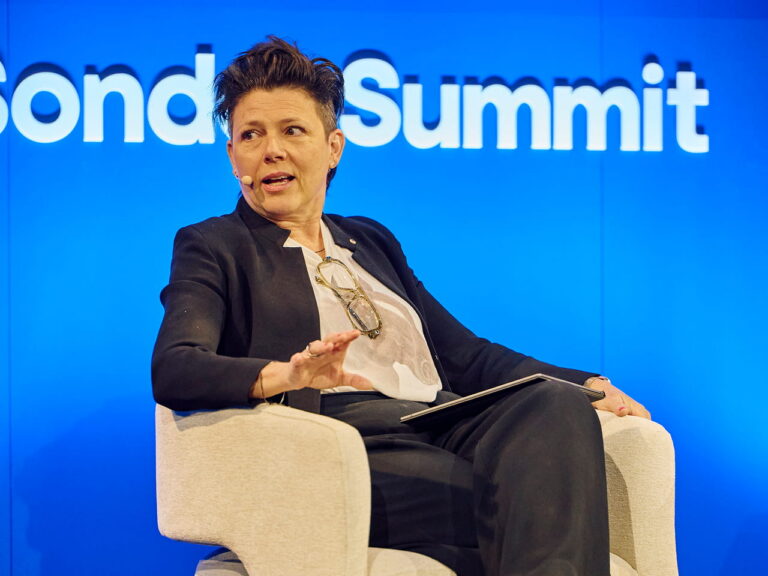
Meet the expert: Jessica Spendlove
Jessica Spendlove helps leaders and their organisations achieve sustainable performance. With over 15 years inside elite sport, defence and corporate environments, Jess has built and led performance nutrition programs across seven professional sporting teams.
Today, her work focuses on the corporate and start-up arena, partnering with leaders, leadership teams, and high-growth organisations that want to sustain performance while navigating and leading through change.
How do energy, resilience and recovery work together to sustain high performance?
Effort and willpower alone aren’t enough to sustain high performance. Instead, you need to cultivate the energy to perform, build resilience to handle pressure, and prioritise recovery so you’re ready to do it all again.
Building this repeatable system starts with one or two small daily habits that compound to create momentum, fuel your energy levels, and create more capacity to stay consistent.
Jessica calls this the three C’s of sustainable high performance: charge, capacity, and charge down:
- Charge: Habits that create and sustain energy, such as eating a nourishing meal, moving your body, or taking time to connect with a loved one.
- Capacity: Improving your tolerance for stress and building resilience, expanding how much pressure you can hold without increasing the risk of burnout.
- Charge down: Deliberate actions that help you reset, restore, and recover so you can do it all again.
Recovery is often the most overlooked aspect of high performance, particularly in the workplace. But prioritising recovery shouldn’t be optional, because it’s what makes the whole system work and run smoothly.
We don’t have a performance problem; we’ve got a recovery problem.

Keynote Speaker, Coach, Advisor and Performance Dietitian
What is a “domino habit” and why does it matter?
A domino habit is a single, small action that is used to set the tone for your day. Trying to change 5-10 daily habits at once quickly becomes overwhelming. But a domino habit lets you focus on the single habit that will give you the most energy and momentum. The key is to prioritise and follow through on this one action, even on your busiest days.
Your domino habit, if you find it and protect it, sets the rest of your day up to run a little more effortlessly.
Keynote Speaker, Coach, Advisor and Performance Dietitian
As the name suggests, once the first domino falls, the rest of your day tends to follow with less friction and fewer decisions. In practical terms, these habits are low-effort daily actions like:
- Prepping your breakfast the night before. You can head into work knowing your day started with a nourishing meal.
- Starting your morning with a short walk. Boost your step count and get your body moving before getting to your desk.
- Committing to 10-minutes of stretching or breathwork. A moment of calm before opening your phone or checking your emails.
The benefits of a domino habit are clear: it reduces willpower and decision fatigue, builds energy (rather than depleting it), and doesn’t require a full routine overhaul to stick.
Curious about how your current habits and routine stack up?
Try Jessica’s free High Performance Profile Quiz to see whether you’re operating sustainably or heading for burnout, and what to do about it. Take the quiz.
What are the five daily habits that fuel sustainable performance?
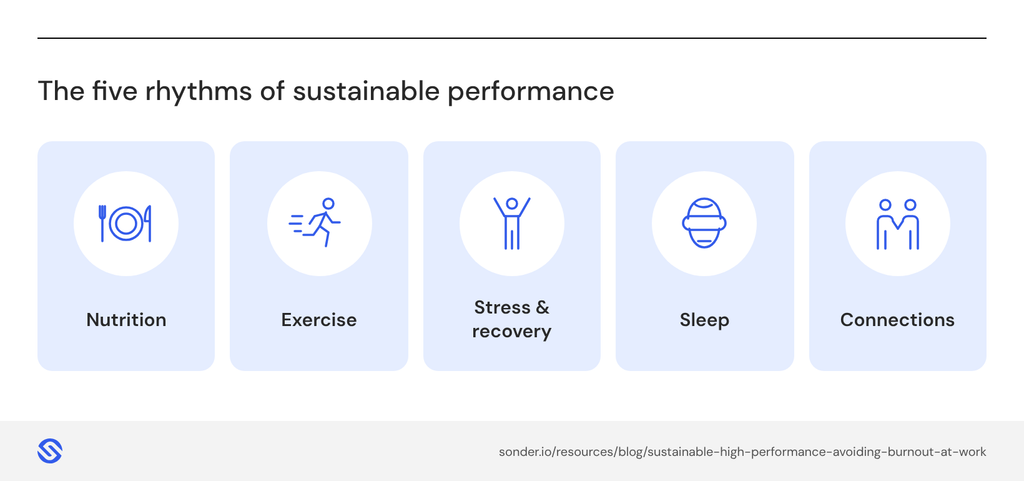
Five pillars underpin wellbeing, high performance, and longevity: nutrition, exercise, sleep, stress/recovery, and connection (to values, purpose, and people). These rhythms aren’t rigid protocols; they’re adaptable and able to flex with the demands of daily life.
This masterclass focused on the three highest-leverage rhythms (nutrition, sleep, and stress and recovery), so that’s where we’ll go deeper below.
How can you build a sustainable nutrition rhythm?
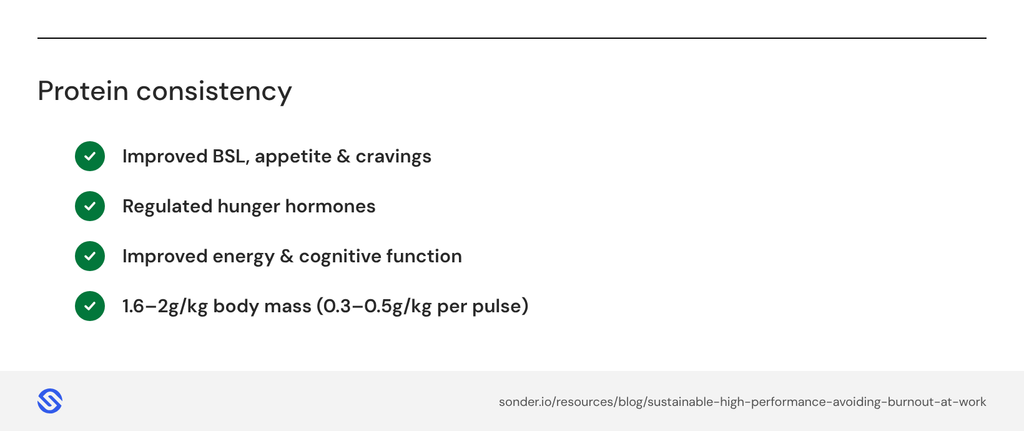
According to Jessica, most of us eat unevenly throughout the day. Breakfast is skipped, lunch can be pushed out to 3pm, and meals grow larger into the evening. Unfortunately, this negatively impacts blood sugar levels, causes cravings, and can even disrupt sleep patterns (especially if snacking happens close to bedtime).
There are two small nutritional shifts that can make the biggest difference in your energy levels throughout the day:
- Try the “Tetris approach”: If a meal gets pushed back, move a snack in to fill the gap rather than skipping straight to your next meal.
- Prioritise protein early in the day: Aim for 20g to 40g of protein at your first meal; it helps stabilise energy and blood sugar for the rest of the day. If a cooked breakfast isn’t an option, swap in high-protein milk, a yoghurt pouch, or a smoothie with protein powder.
How does sleep affect recovery and performance?
Sleep is one of your most important recovery tools. But not all sleep is equally restorative. Deep sleep supports physical restoration, while REM sleep supports emotional regulation. Getting enough hours matters, but protecting both sleep stages is even more beneficial.
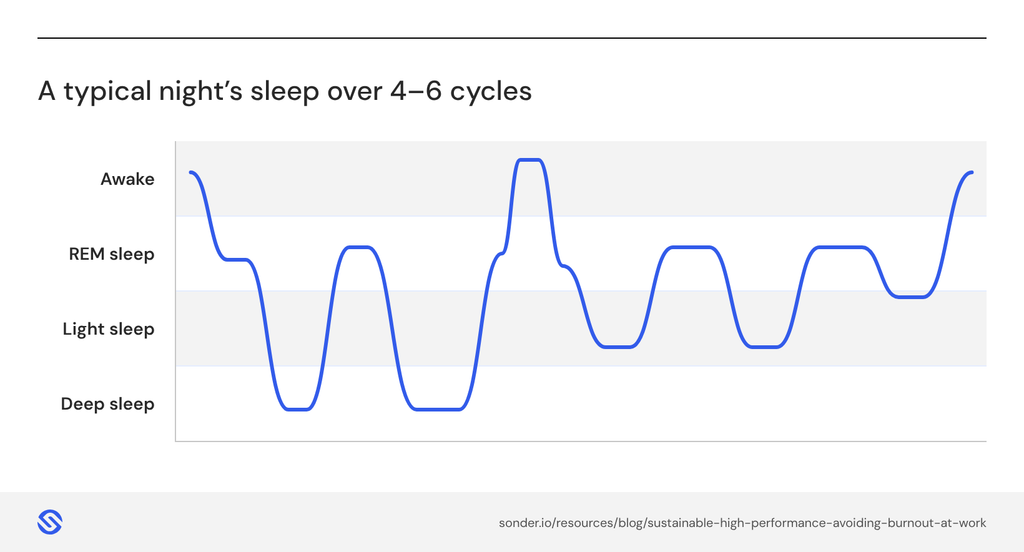
According to research commissioned by the Sleep Health Foundation, almost 60% of Australians regularly experience at least one sleep symptom, such as trouble falling or staying asleep.
Jessica’s tip is to create a series of repeatable cues that signal to your brain it’s time to wind down. Take a hot shower, pour a cup of herbal tea, or read a few pages of your book. Find a handful of daily rituals that can help you create the conditions for deeply restorative sleep.
The sleep landing protocol is about consistency. When you do these same few things each night, your brain learns: I’m getting ready to land.
Keynote Speaker, Coach, Advisor and Performance Dietitian
What is a “brain break” and why does it matter for stress and recovery?
Most of us think of scrolling on social media, grabbing a coffee, or listening to a podcast as a break. But none of these activities counts as recovery. A brain break needs to be intentional and stimulant-free, working with your body’s natural 90-minute ultradian rhythm rather than pushing through it.
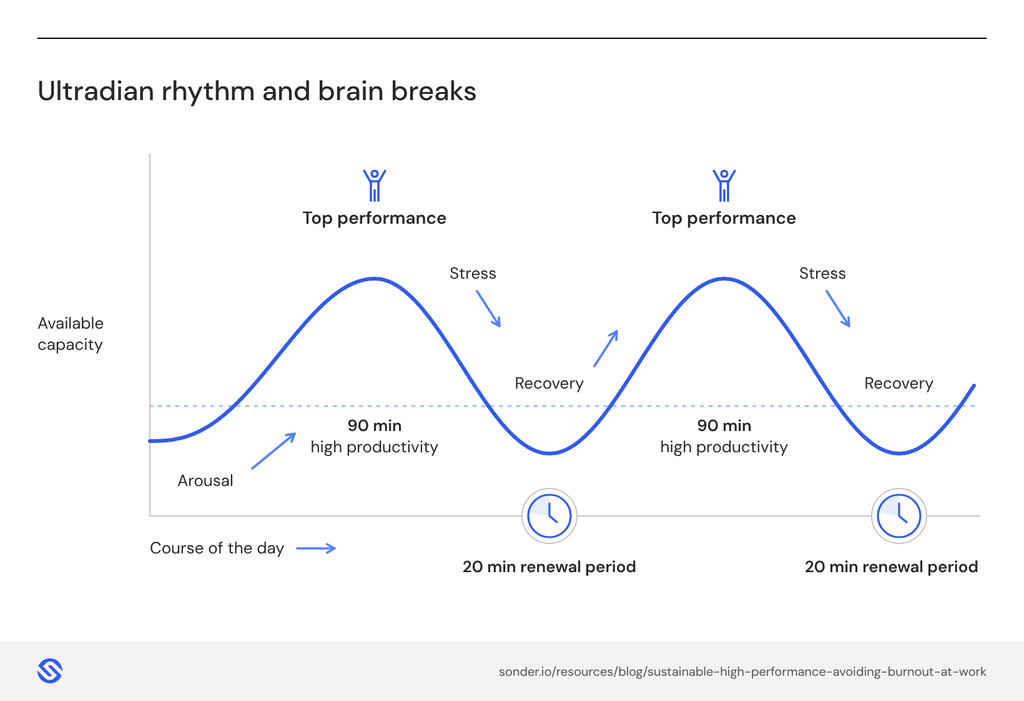
The good news is that brain breaks don’t need to be long to be effective; just one to 10 minutes is enough to make a positive impact. If you’re moving between back-to-back meetings, consider stepping away from your screen and trying a physiological sigh (two inhales through your nose, followed by a long, slow exhale).
If you’ve got a little more time, make a herbal tea instead of another coffee, or take a short walk around the block.
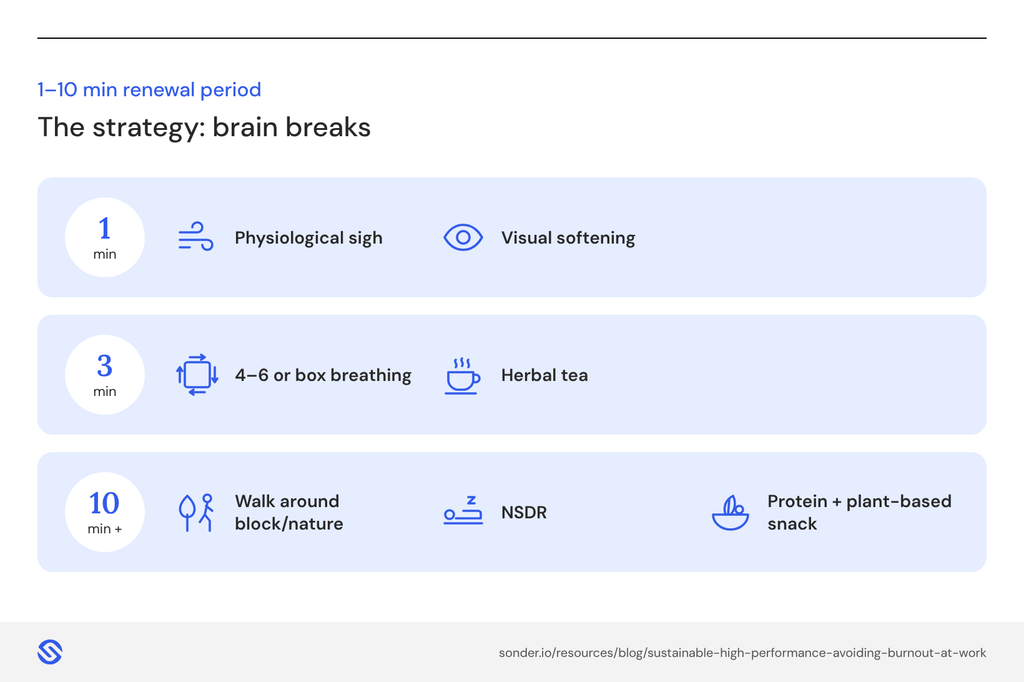
A brain break is intentional, stimulant-free time that lets you reset during your workday.
Keynote Speaker, Coach, Advisor and Performance Dietitian
How can leaders model sustainable performance for their teams?
For managers and leaders, modelling sustainable performance is one of the most powerful ways to boost performance and ensure high achievement is sustainable, not a sprint. The data backs this up: according to the WorkWell Leaders Impact Study, leader wellbeing has the most significant impact on organisational wellbeing and performance.
The best leaders don’t just focus on visible output or effort. Instead, they prioritise recovery, protect their energy, and give their teams permission to do the same.
It’s hard to model something you’re not doing yourself.
This is about leaders walking the talk first.
Keynote Speaker, Coach, Advisor and Performance Dietitian
In practical terms, that looks like:
- Protect your own domino habit first: Leaders often deprioritise their own wellbeing while managing everyone else’s. Modelling sustainable performance starts with having your own daily habit, and diligently protecting it.
- Seek external support: Leaders are carrying a lot, often across multiple roles at once. Bringing in outside support, for yourself and your team, is part of building a sustainable system rather than trying to hold everything internally.
- Make “at capacity” an acceptable thing to say: Normalising this phrase reduces the stigma of admitting limits, without it reading as underperformance.
- Model rhythm, not perfection: Leaders don’t need a flawless routine to demonstrate this. Visibly protecting even one habit (a proper lunch break, a brain break between meetings) builds a culture where wellbeing is prioritised and actively encouraged.
How Sonder can support sustainable performance across your workforce
Just as a domino habit removes friction from your day, having accessible, proactive support removes friction from getting help before pressure turns into burnout.
Traditional employee assistance programs (EAPs) often go unused because they’re hard to access or step in once something’s gone wrong. Sonder works differently: giving your people 24/7, on-demand access to mental health, medical, and safety professionals, so wellbeing is safeguarded (not responded to after reaching a crisis point).
It also includes a host of wellbeing resources that support healthy habits, including:
- Nutritious recipes to help plan a daily diet that maintains energy levels
- Guided meditations for quick and relaxing breaks
- Sleepscapes and sleep stories to encourage better rest
For leaders specifically, that means having somewhere real to turn, for themselves and for their teams, so modelling sustainable performance doesn’t mean carrying it all alone.
See how Sonder can support your workforce by requesting a demo.
FAQs
Sustainable high performance means performing well consistently over the long term, without running on empty. Effort and willpower alone aren’t enough. It relies on cultivating the energy to perform, building resilience to handle pressure and prioritising recovery, using small, adaptable daily habits rather than a rigid “all-or-nothing” routine.
Start by noticing early warning signs, such as a stress headache that won’t budge, an afternoon dip in focus or an unexplained change in appetite. Rather than overhauling your entire routine, focus on small, achievable changes that still work on your busiest days, and treat recovery as essential, not optional.
Performance dietitian Jessica Spendlove describes the three Cs as charge, capacity and charge down. Charge covers habits that create and sustain energy. Capacity is about improving your tolerance for stress and building resilience. Charge down covers deliberate actions that help you reset, restore and recover so you can do it all again.
A domino habit is a single, small action that sets the tone for your day. Once the first domino falls, the rest of your day tends to follow with less friction and fewer decisions. Examples include prepping breakfast the night before, starting your morning with a short walk or doing 10 minutes of stretching or breathwork before checking your emails.
The five pillars that underpin wellbeing, high performance and longevity are nutrition, exercise, sleep, stress and recovery, and connection (to values, purpose and people). They aren’t rigid protocols. They’re adaptable rhythms that can flex with the demands of daily life.
According to the WorkWell Leaders Impact Study, leader wellbeing has the most significant impact on organisational wellbeing and performance. Leaders can model sustainable performance by protecting their own domino habit, seeking external support, making “at capacity” an acceptable thing to say and modelling rhythm rather than perfection.
Sonder gives your people 24/7, on-demand access to mental health, medical and safety professionals, so wellbeing is safeguarded before pressure turns into burnout. With an average uptake of 40%, Sonder provides effective, early intervention support that delivers meaningful outcomes like stronger retention and improved productivity.